-
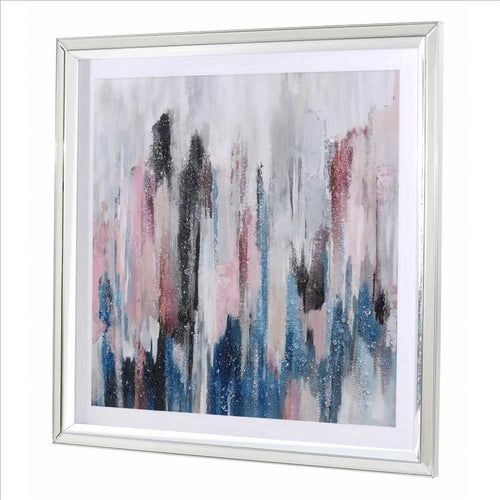 Sale
SaleLiora Wall Art | Abstract Design | Mirror Frame | Silver | Blue
$410.13 $304.00SKU: BM245844
-
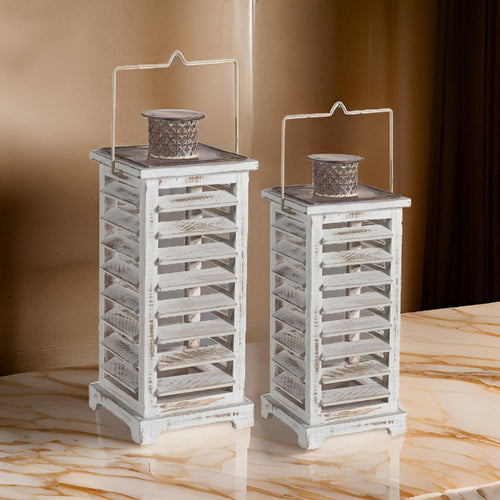 Sale Best Seller
Lantern Set | Wood & Metal | Louvered Design | Set of 2 | White
$146.93 $94.00SKU: BM200913
-
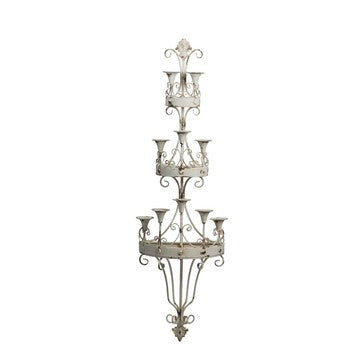 Sale
SaleWall Candle Holder | 16" | White Metal | Ornate Scroll
$452.93 $215.00SKU: BM285548
-
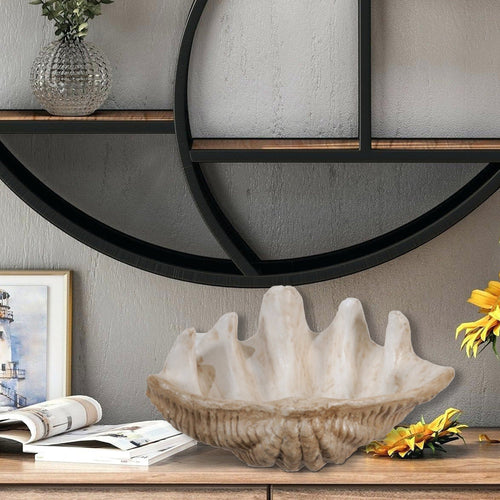 Sale
SaleClam Shell Accent | Medium Size | White
$139.43 $82.50SKU: ABH-74704
-
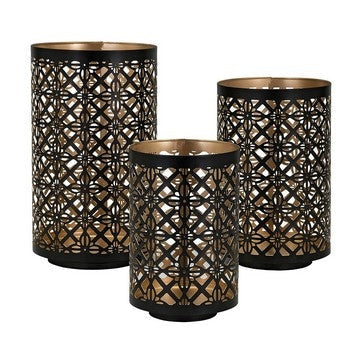 Sale Best Seller
Lantern Candle Holders | Set of 3 | Moroccan Lattice | Gold Black Metal
$115.43 $74.00SKU: BM286153
-
 Sale
SaleGlass Hurricane Holder | 11" | Acacia Wood Base | Gold Finish
$132.23 $74.50SKU: BM284962
-
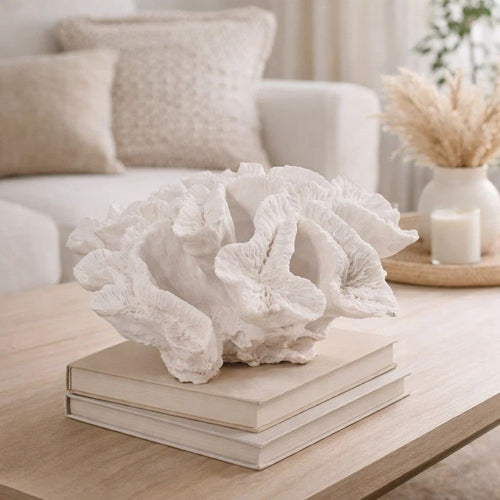 Sale Best Seller
Lily Table Figurine | 9" | Faux Coral | Textured Polyresin | White
$88.13 $52.00SKU: BM284969
-
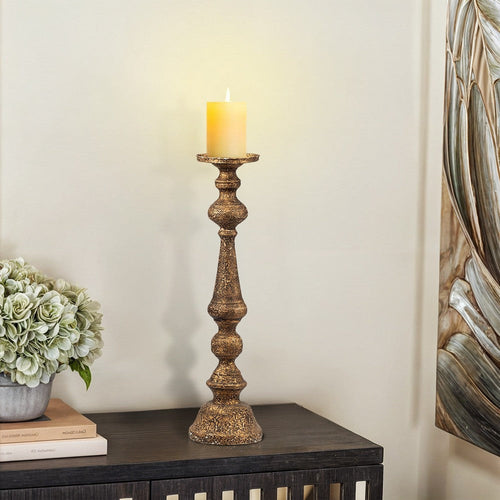 Sale
SaleMia 24 Inch Pillar Candle Holder, Antique Brass Metal, Turned Pedestal By Casagear Home
$130.43 $80.50SKU: BM302560
-
 Sale
SaleSet of 3 Decorative Tabletop Round Balls, Carved Mango Wood, Black, Yellow By Casagear Home
$68.78 $59.50SKU: BM302671
-
 Sale
SaleCuboidal Candleholder | Metal & Glass | Typography | Black & Clear
$124.43 $75.85SKU: BM217295
-
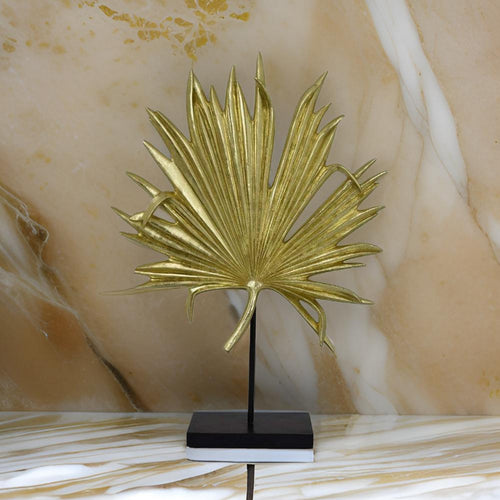 Sale
SaleMenny 21 Inch Palm Leaf Resin Decorative Sculpture, Resin Gold Finish By Casagear Home
$141.33 $122.50SKU: BM312590
-
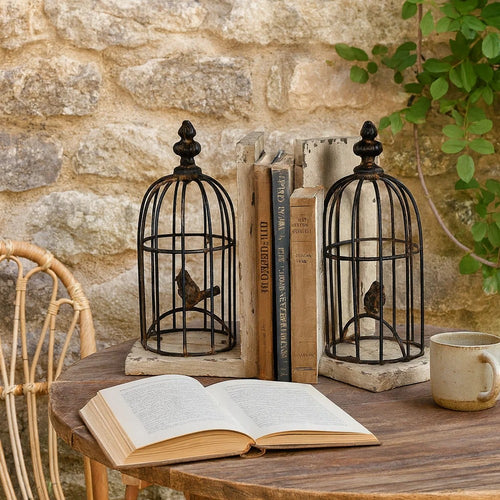 Sale
SaleAri Bookends | Set of 2 | Birdcage Design | Iron Wood | Black Brown
$107.73 $76.50SKU: BM284986
-
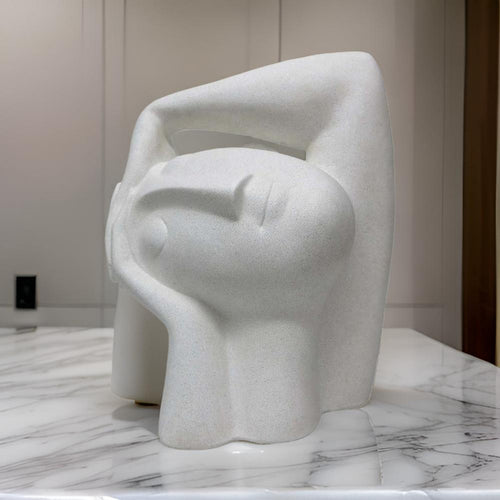 Sale
Sale16 Inch Head Figurine Statuette, Contemporary Style White Resin Finish By Casagear Home
$167.93 $137.50SKU: BM312576
-
 Sale
SaleQui Candle Holders | 14", 11" | Blue Glass Pedestal | Set of 2
$77.93 $57.00SKU: BM285579
-
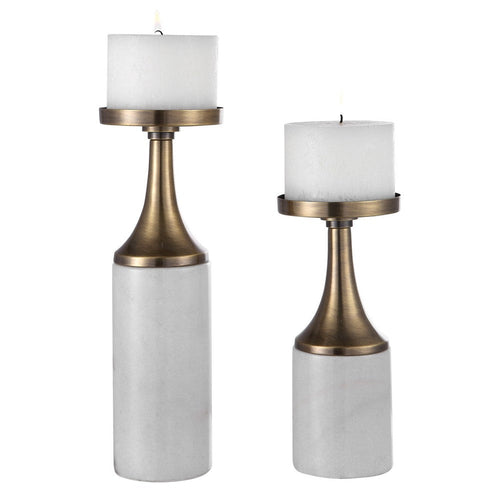 Sale
SaleCastiel - 13 inch Candleholders (Set of 2)
$522.00 $360.00SKU: UT-17546
-
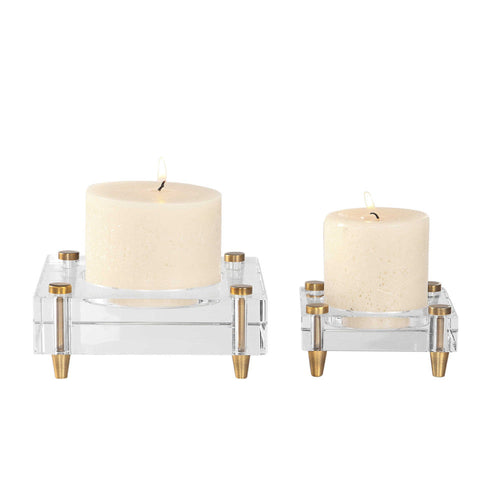 Sale
SaleClaire - 6.25 inch Candleholder (Set of 2) - 6.25 inches wide by 6.25 inches deep
$501.12 $345.60SKU: UT-18643
-
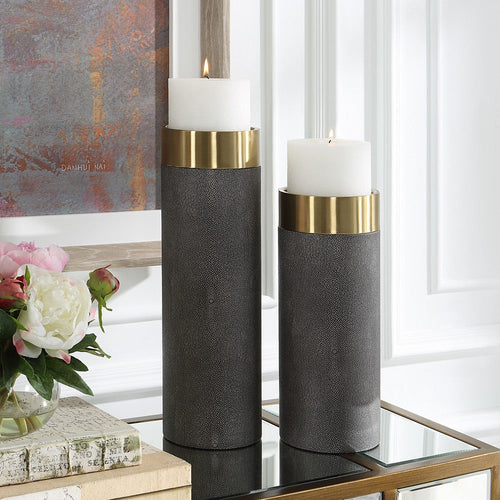 Sale
SaleWessex - Candleholder (Set of 2)-16 Inches Tall and 4.63 Inches Wide
$661.20 $456.00SKU: UT-18061
-
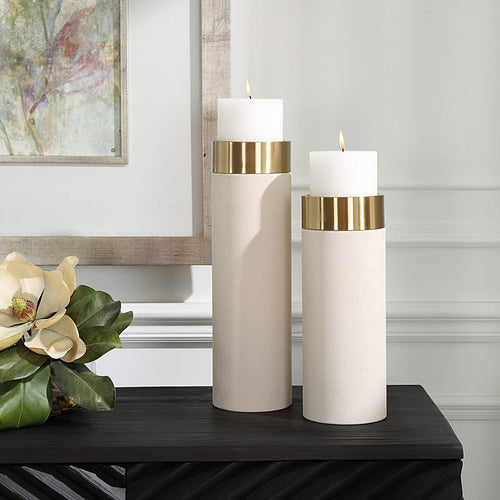 Sale
SaleWessex - Pillar Candleholder (Set of 2)-16 Inches Tall and 4.63 Inches Wide
$661.20 $456.00SKU: UT-18100
-
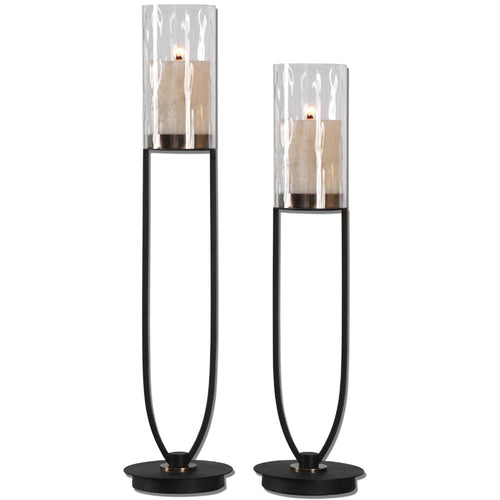 Sale
SaleDurga - 30.5 inch Iron Work Candle Holders (Set of 2)
$536.40 $357.60SKU: UT-18835
-
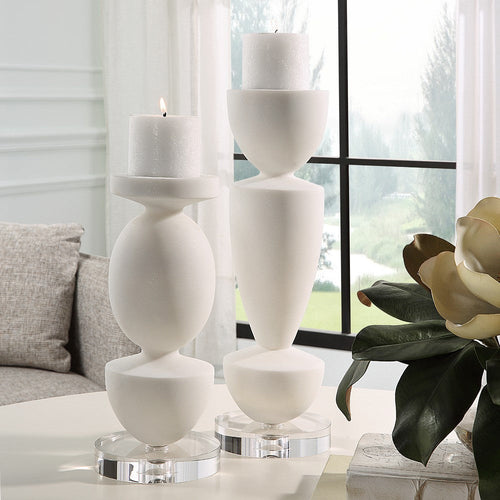 Sale
SaleLido - Candleholder (Set of 2)-16 Inches Tall and 5 Inches Wide
$594.00 $396.00SKU: UT-18101
-
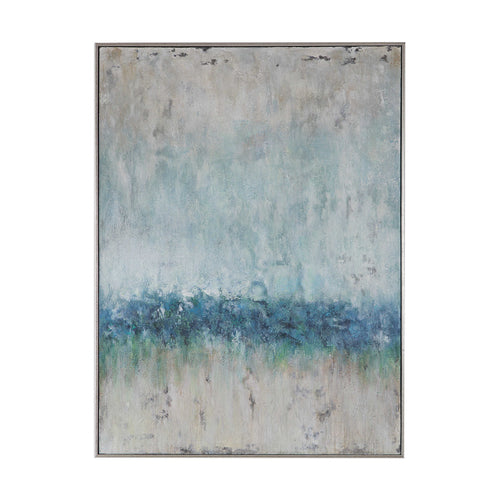 Sale
SaleUttermost Tidal Wave - 47 inch Abstract Art
$670.68 $496.80SKU: UT-34373
-
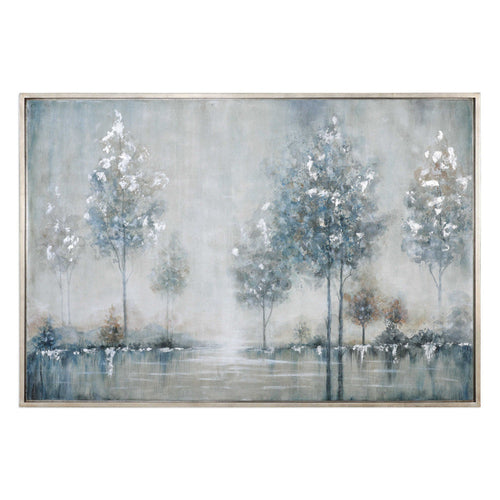 Sale
SaleWalk In The Meadow - 61.38 inch Landscape Art
$894.24 $662.40SKU: UT-35348
-
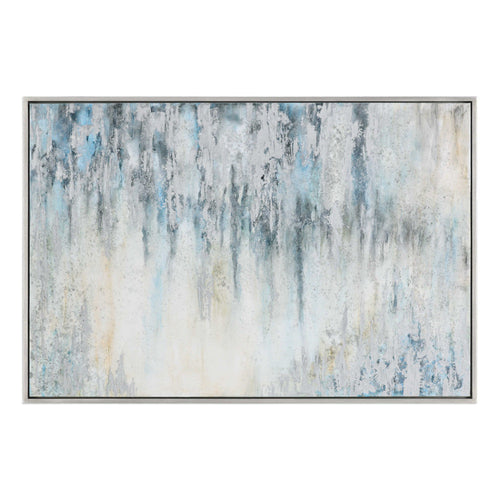 Sale
SaleOvercast - 41.75 inch Abstract Art
$884.52 $655.20SKU: UT-35354
-
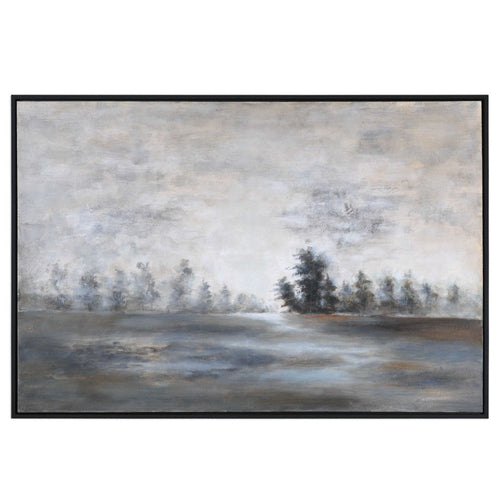 Sale
SaleEvening Mist - 49.38 inch Landscape Art
$1,176.12 $871.20SKU: UT-35344
-
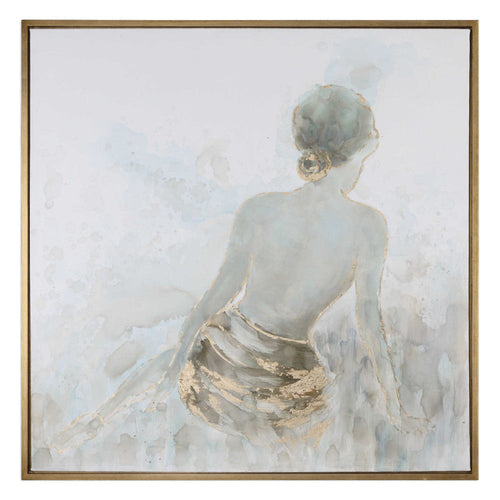 Sale
SaleGold Highlights - 49.75 inch Hand Painted Canvas Art
$835.92 $619.20SKU: UT-35345
-
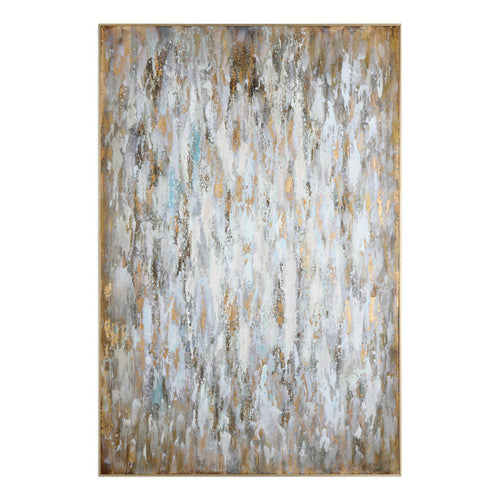 Sale
SaleBright Morning - 72.75 inch Abstract Art
$968.76 $717.60SKU: UT-31408
-
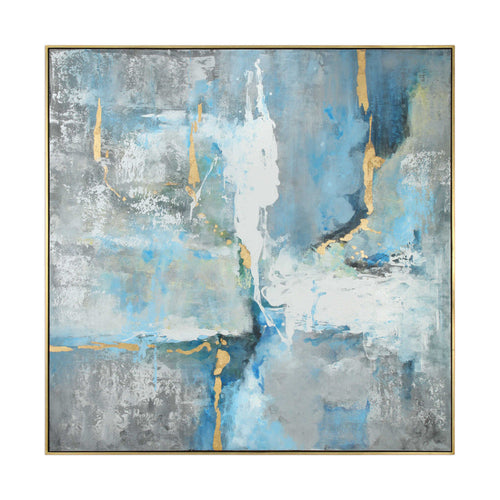 Sale
SaleMeditation - 61 inch Modern Art
$1,250.64 $926.40SKU: UT-35355
-
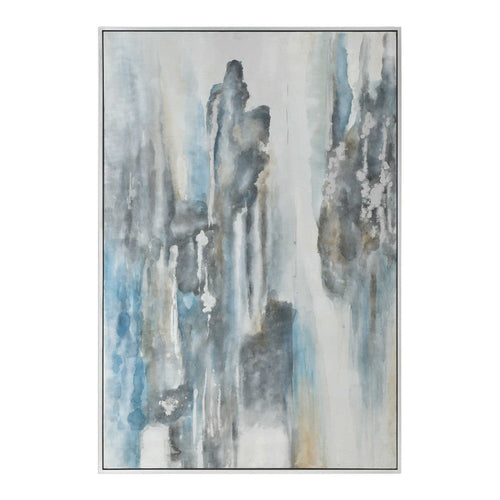 Sale
SaleUttermost 35357 Celebrate
$1,114.56 $825.60SKU: UT-35357
-
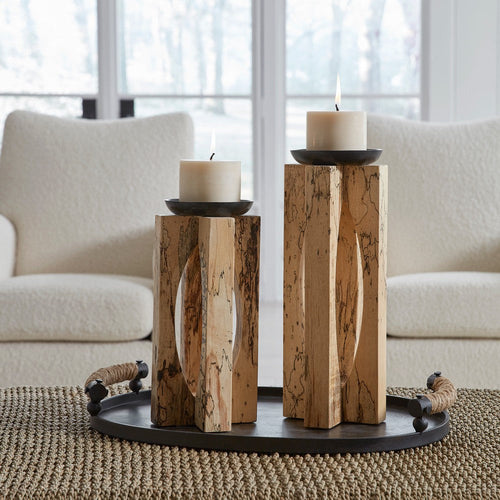 Sale
SaleUttermost 18074 Ilva - Candleholder (Set of 2)-15 Inches Tall and 6 Inches Wide
$473.28 $326.40SKU: UT-18074
-
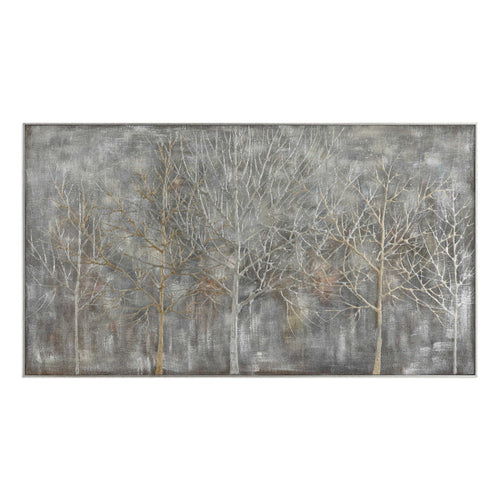 Sale
SaleParkview - 72.75 inch Landscape Art
$806.76 $597.60SKU: UT-31409
-
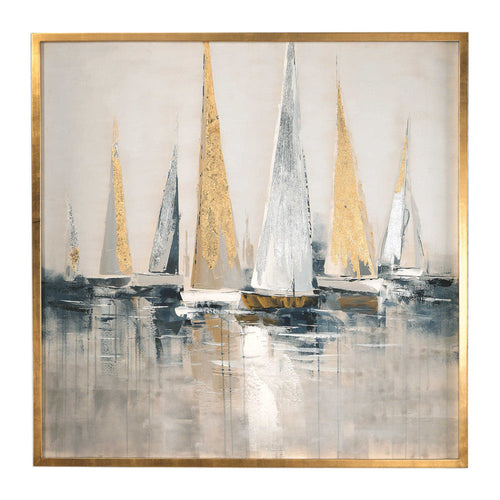 Sale
SaleRegatta - 51.63 inch Nautical Art
$997.92 $739.20SKU: UT-35362
-
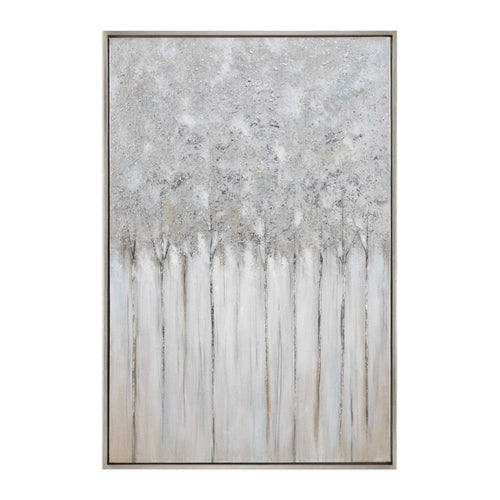 Sale
SaleStrength In Numbers - 61.75 inch Abstract Art
$858.60 $636.00SKU: UT-35351
-
 Sale
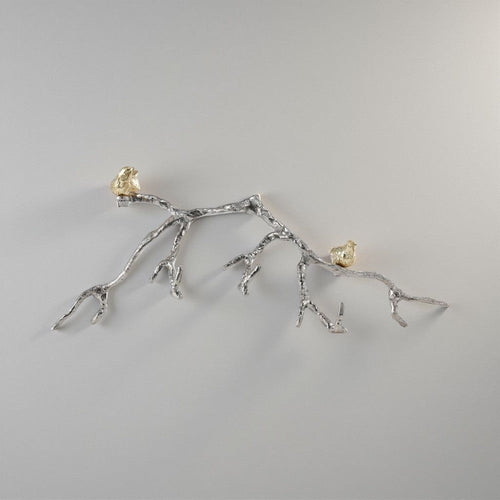
SaleWall Hook | Decorative | Branch Shape | Birds Design | Silver & Gold
$70.43 $47.00SKU: BM200603
-
 Sale
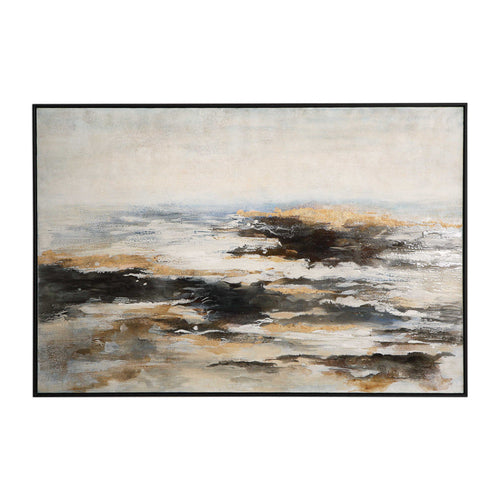
SaleAftermath - 61.38 inch Abstract Art
$868.32 $643.20SKU: UT-35363
-
 Sale
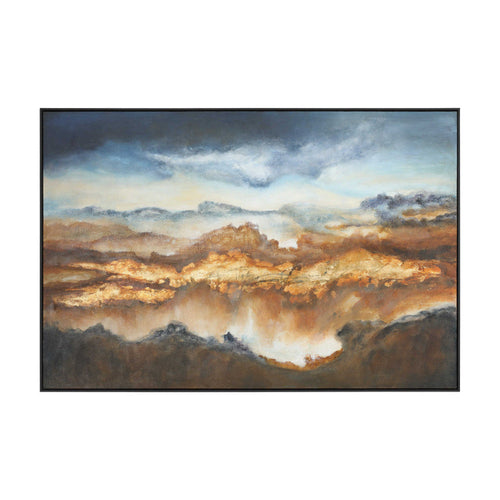
SaleValley Of Light - 73 inch Landscape Art
$1,163.16 $861.60SKU: UT-51301
-
 Sale
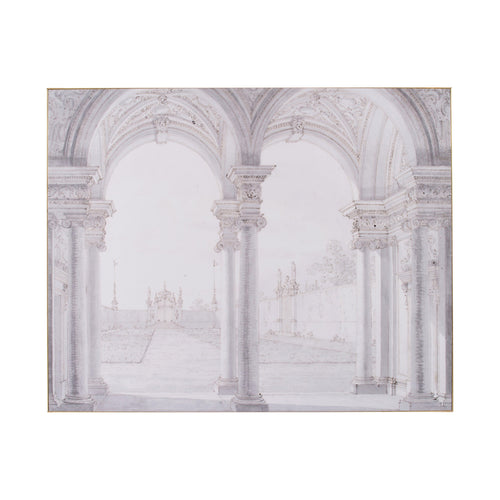
Sale47 x 59 Decorative Wall Art, Rectangular, Historical Architecture, Gray By Casagear Home
$732.98 $421.50SKU: BM312729


Your Home, Your Story
Home isn't just four walls and a roof — it's the place that should feel most like you. And you don't need a big budget or an interior designer to get there. Sometimes all it takes is a little thoughtfulness and affordable home decor ideas. A few pieces chosen with care can completely shift how a room feels, whether you're warming up a neglected corner or breathing new life into your main living space.
Think Before You Buy
The biggest decorating mistake most people make? Shopping decorative accessories without a clear sense of what the space actually needs. Too much stuff and a room start to feel overwhelming. Too little and it feels unwelcoming. The sweet spot is usually one strong focal point — a bold sofa, an eye-catching shelf, a striking lamp — surrounded by quieter pieces that support it rather than compete with it. And don't underestimate the power of functional decor. A well-placed mirror, a woven basket, a set of open shelves — these things work hard without drawing too much attention to themselves.
Texture Is Your Secret Weapon
If a room feels a little flat or forgettable, texture is usually what's missing. Try combining different materials — a wooden side table next to a metal lamp, a ceramic bowl beside a glass vase. The contrast adds visual richness in a subtle, understated way. Layer in some softness too: a thick throw draped over the arm of a chair, a patterned cushion or two, a rug that ties the whole seating area together. These aren't just decorative choices — they make a room feel genuinely comfortable and lived-in.
Stop Ignoring Your Walls
Walls of a modern home decor take up a huge amount of visual real estate, and leaving them completely bare is a missed opportunity. A mirror is one of the smartest investments you can make — it reflects light, creates depth, and makes even a smaller room feel more open. Gallery walls, floating shelves, and framed prints all add personality without needing a renovation. Shelves especially are worth considering — stack some books, tuck in a small plant, add a photo or two, and suddenly you have something that tells a story.
It's the Small Things
Walk into any beautifully decorated room and look closely — it's rarely one dramatic piece doing all the work. It's the little things. A tray styled on the coffee table. A single vase with two or three stems. A cluster of candles on a windowsill. None of this cost a fortune, but together they create a sense of intention and warmth that's hard to fake. If you want one easy win, add a plant somewhere. Even a small one on a shelf or a countertop can make a space feel more alive.
Making a Small Space Work
Limited square footage doesn't mean limited style — it just means being a bit more selective. Stick to lighter tones for your larger furniture pieces; they keep the room feeling open rather than closed in. A mirror on a key wall can visually double the space. When it comes to shelves and surfaces, less really is more — leave some breathing room between objects rather than filling every gap. One last tip worth remembering: odd numbers work better than even ones. Three candles, five books, a group of two plants and one figurine — somehow it always looks more natural and balanced.
Just Make It Feel Like Home
Forget about following trends or matching some idealized version of what a home "should" look like. The best-decorated spaces are the ones that feel personal — where every piece of home decor under $100 has a reason to be there, whether that's because you love it, it makes you smile, or it simply works beautifully in that spot. Start with best home decor stores and find what genuinely appeals to you, build slowly and intentionally, and trust your instincts. The rest will come together on its own.
Focused FAQ for a home decor collection category
Where should I start when shopping for home decor?
The best place to start is actually stepping back and looking at your space honestly. What does it really need? Pick one thing to anchor the room around — maybe a sofa, a statement shelf, or even just a well-chosen lamp — and then gradually layer in smaller pieces that feel right alongside it. Shopping with that anchor in mind keeps you from buying things that don't quite belong.
Which decor pieces are genuinely worth spending money on?
If you're watching your budget, focus on the pieces that do double duty. Mirrors, open shelves, decorative trays, vases, and soft furnishings like rugs and cushions give you the most return for your money. They're practical enough to use every day, but styled well enough to make the whole room look more put-together.
How do I blend different styles without the room looking like a mess?
The trick isn't matching every piece — it's finding a common thread that ties them together. Choose a consistent material palette and stick to it. Wood, metal, ceramic, glass — pick two or three and work within them. Once your materials feel cohesive, you can play freely with textures and shapes without things looking disconnected.
What kind of wall decor actually works in any room?
Honestly, you can't go wrong with mirrors. They work in virtually every space, every style, and every budget — and the practical benefit of bouncing light around the room is hard to beat. Beyond mirrors, framed prints, floating shelves, and gallery-style arrangements are all solid choices that add character without requiring any major changes to the room.
What should I focus on if I'm decorating a smaller home or apartment?
Keep things light and keep things simple. Furniture in softer, lighter tones visually opens a room up in a way that darker pieces just don't. A mirror positioned on a prominent wall can genuinely transform how spacious a room feels. For shelves and surfaces, resist the temptation to fill every inch — a little empty space actually makes what's there look more intentional and considered. Pieces that serve more than one purpose, like a decorative basket that also stores things or a shelf that displays and organizes, are especially worth prioritizing in smaller spaces.
How many pieces should I group together when styling a surface or shelf?
Odd numbers are your friend here — three or five objects almost always look better than two or four. It sounds like a small detail, but it makes a real difference. Beyond the count, think about varying the heights of what you're grouping together, and don't crowd everything too closely. A little breathing room between objects makes the whole arrangement feel relaxed and deliberate rather than crammed in.