-
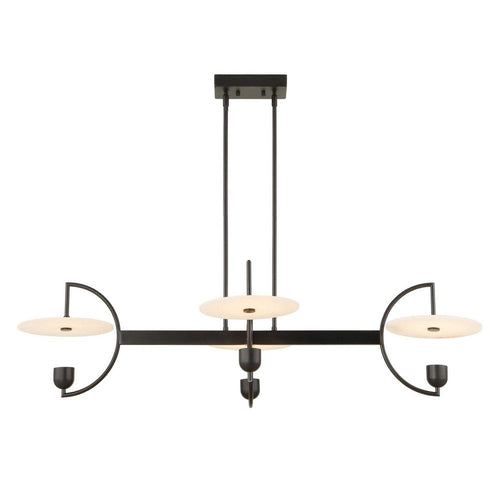 Sold out
Uttermost Kyoto 4 Light Linear LED Chandelier
$1,824.00SKU: UT-21401
-
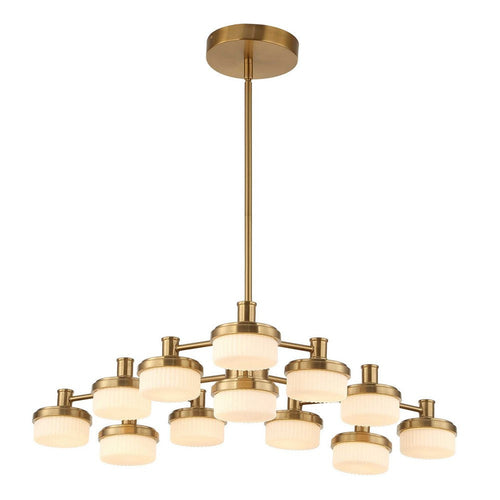 Sold out
Uttermost Wedge 12 Lt LED Brass Chandelier
$1,826.40SKU: UT-21408
-
 Sold out
Uttermost Lemont Hammered Brass 1 Light Pendant
$633.60SKU: UT-21610
-
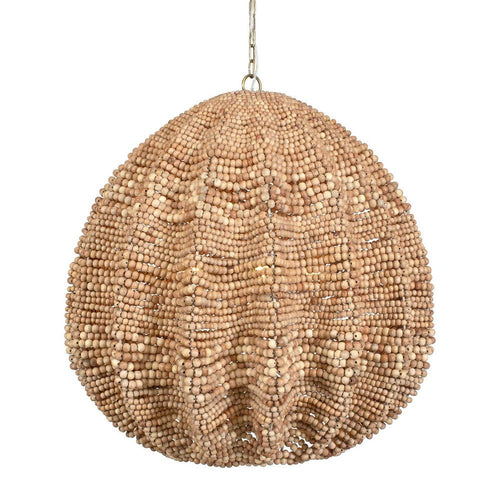 Sold out
Uttermost Kauri 5 Light Wooden Bead Pendant
$2,217.60SKU: UT-21611
-
 Sold out
Uttermost Kauri 1 Light Wooden Bead Pendant
$765.60SKU: UT-21612
-
 Sold out
Uttermost Water Hyacinth 4 Light Woven Pendant
$866.40SKU: UT-21618
-
 Sold out
Uttermost Persephone Black Bead 1 Light Pendant
$1,041.60SKU: UT-21623
-
 Sold out
Uttermost Santino Crackled Ivory Table Lamp
$460.80SKU: UT-30380-1
-
 Sold out
Uttermost Flanagan Mottled Gloss Table Lamp
$376.80SKU: UT-30470
-
 Sold out
Uttermost Tayson Jade Green Table Lamp
$309.60SKU: UT-30514-1
-
 Sold out
Uttermost Mosier Rustic Beige Table Lamp
$417.60SKU: UT-30541-1
-
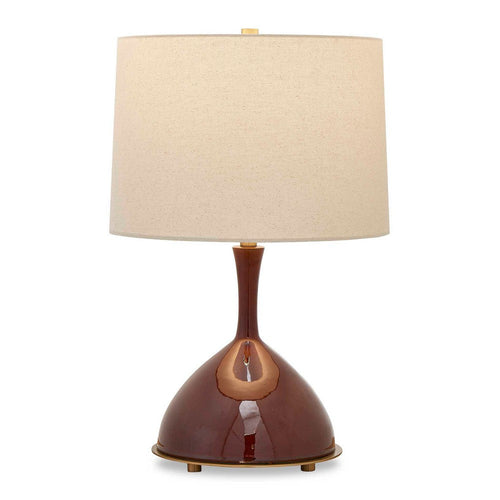 Sold out
Uttermost Colette Burgundy Table Lamp
$475.20SKU: UT-30544-1
-
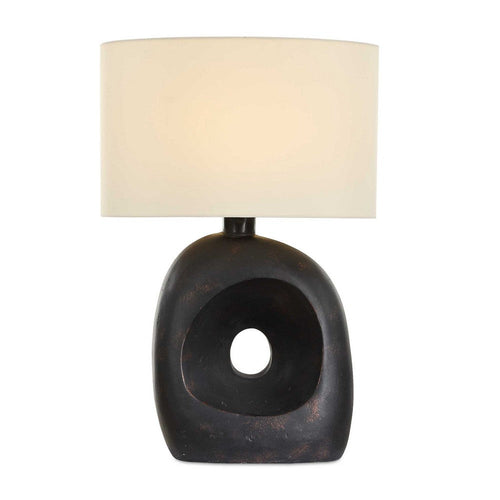 Sold out
Uttermost Peephole Outdoor Bronze Table Lamp
$355.20SKU: UT-30574-1
-
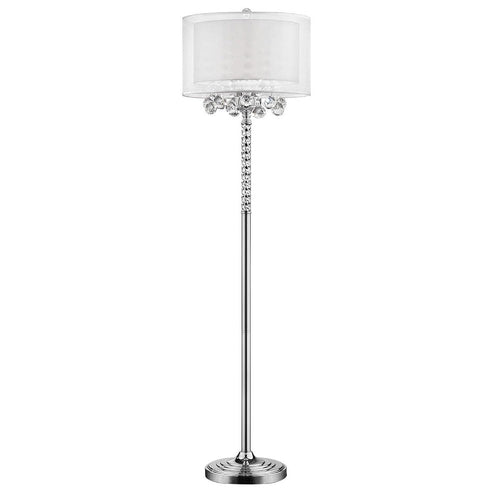 Sold out
Fena Floor Lamp | Crystal Accent Drum Shade | 62" Chrome Metal Base
$216.95SKU: BM341013
-
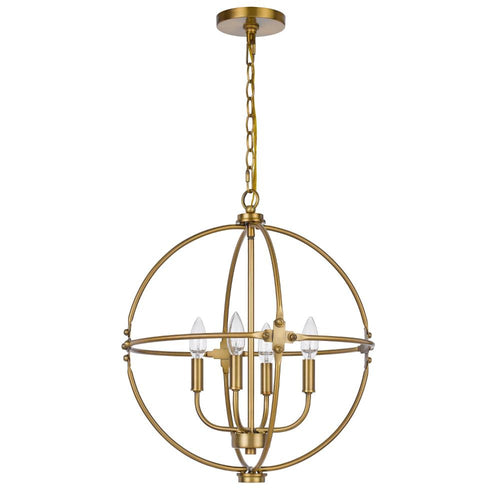 Sold out
Shefy 18 Inch Chandelier, Locked Ring Candelabra Design, Brass Metal
$275.95SKU: BM324011
-
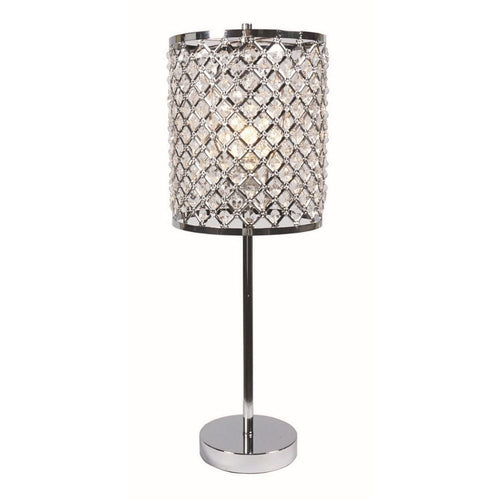 Sold out
24" Table Lamp, Crystal Shade, Metal Accents, Chrome By Casagear Home
$70.95SKU: BM300851
-
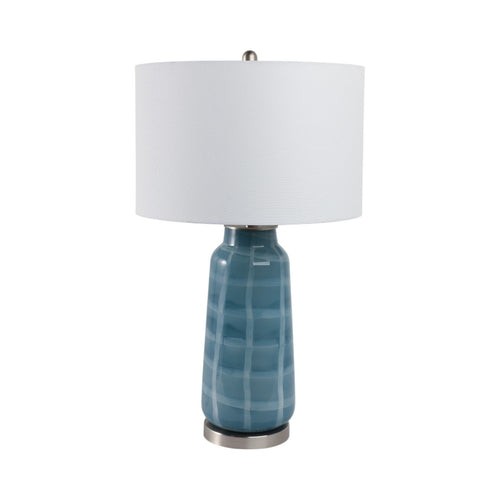 Sold out
Table Lamp | 29" Blue Retro Checkered Glass Base | White Drum Shade
$188.91SKU: SBH-51402-02
-
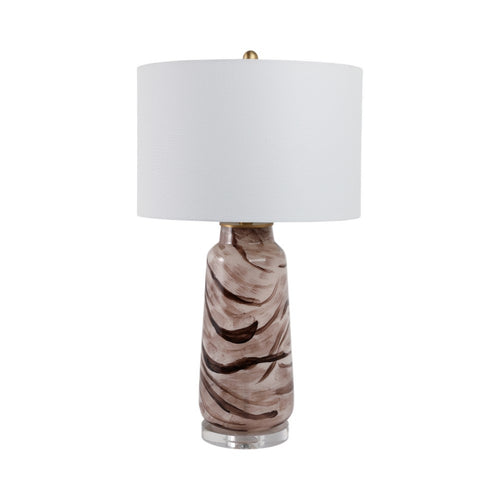 Sold out
Table Lamp | Bottle Shape Glass Body with Brown Swirls | Drum Shade 29"
$188.91SKU: SBH-51402-01
-
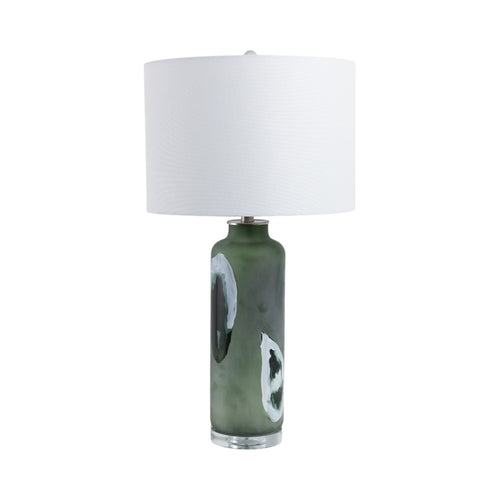 Sold out
Cylinder Table Lamp | Green Glass with Abstract Artisan Markings | 16"
$184.87SKU: SBH-51399
-
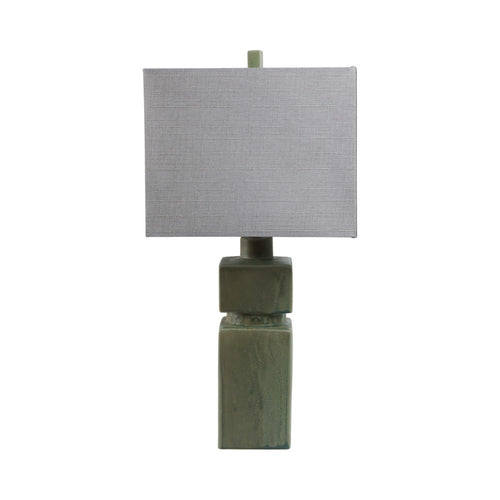 Sold out
Haryl Stacked Table Lamp with Finial Details | Green Ceramic 27"
$161.54SKU: SBH-51398
-
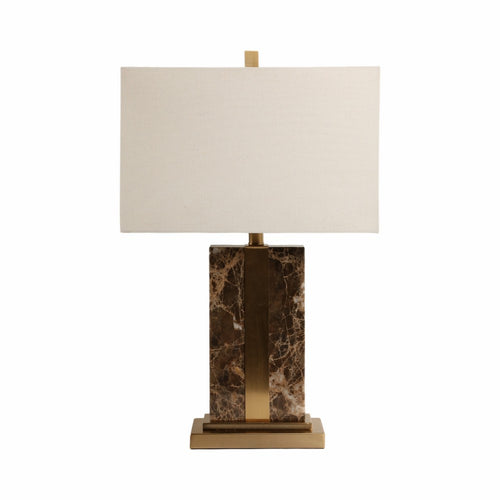 Sold out
Table Lamp | Off White Linen Shade | Brown Marble| Brass Accent | 26"
$150.66SKU: SBH-51382
-
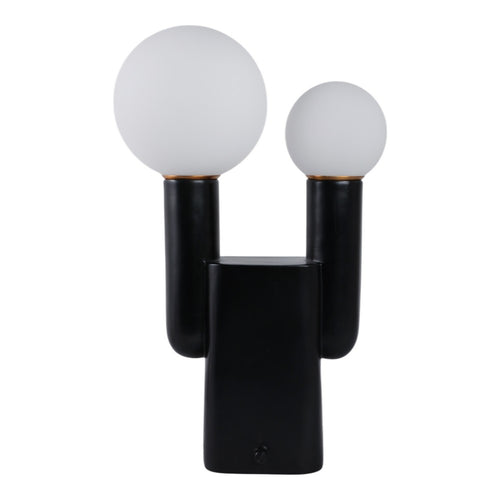 Sold out
Accent Totem Lamp | Frosted Glass | Black Metal Nordic Cactus 20"
$112.32SKU: SBH-51373-01
-
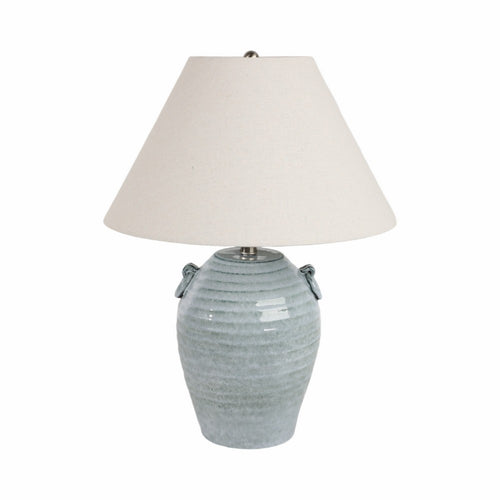 Sold out
Liani Accent Table Lamp with Jug Handles | Tapered Shade | Blue Ceramic 25"
$171.36SKU: SBH-51340
-
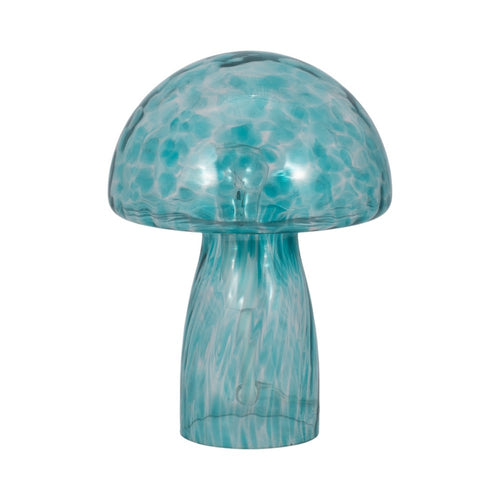 Sold out
Spotted Mushroom Accent Table Lamp | 11" Seafoam Aqua Green Glass
$79.13SKU: SBH-51336-02
-
 Sold out
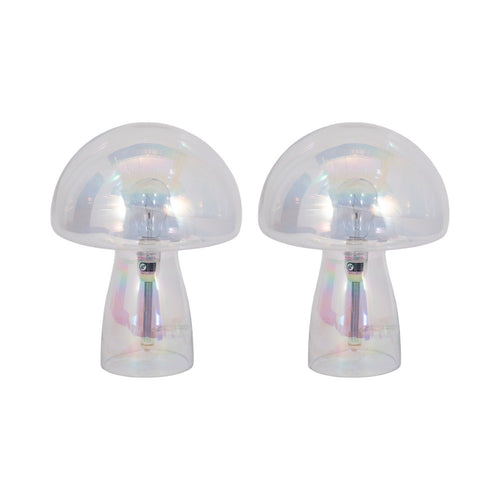
Luster Mushroom Table Lamp Set of 2 | Contemporary Glossy Glass Finish
$79.13SKU: SBH-51336-01
-
 Sold out
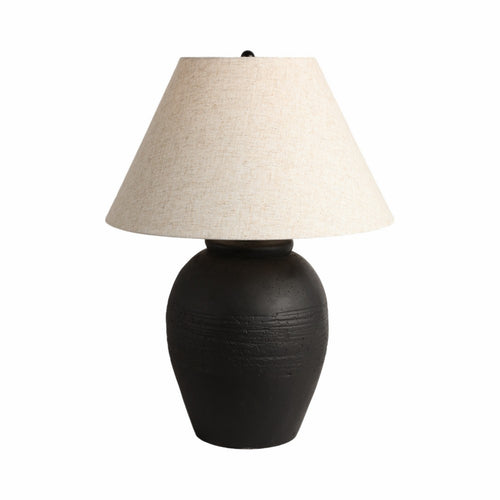
Antique Table Lamp | Beige Tapered Shade | 27" Black Cement Base
$166.40SKU: SBH-51327-02
-
 Sold out
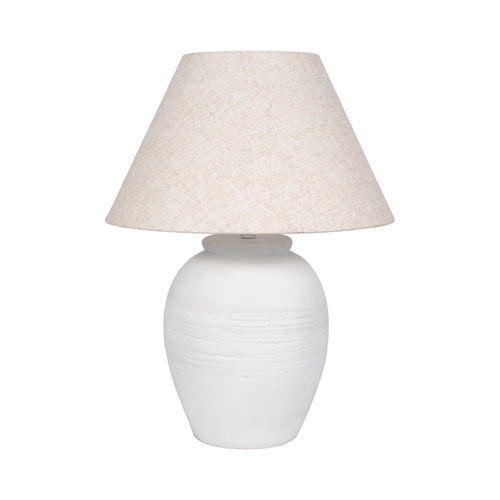
Table Lamp | Off White Linen Shade | Textured Concrete Jug Base | 27"
$164.79SKU: SBH-51327-01
-
 Sold out
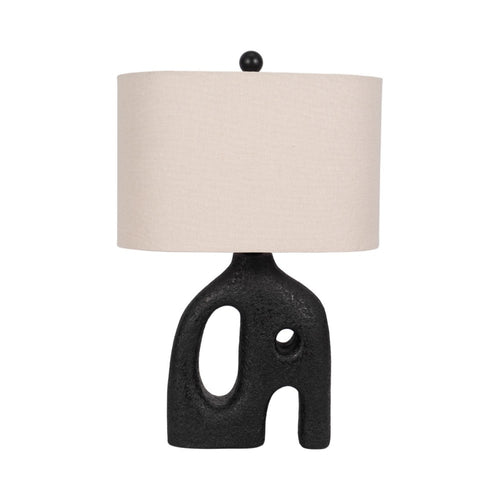
Table Lamp | Oatmeal Drum Shade | Sculpted Cutout Black Base | 21"
$111.14SKU: SBH-51323
-
 Sold out
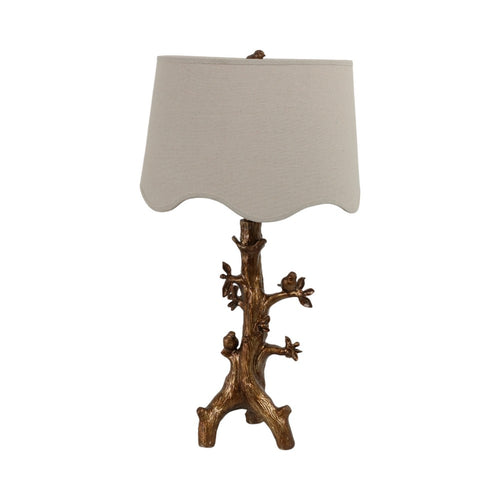
Accent Table Lamp | Perched Bird on Branch | Oatmeal Drum Shade | 28" Gold
$167.53SKU: SBH-51321
-
 Sold out
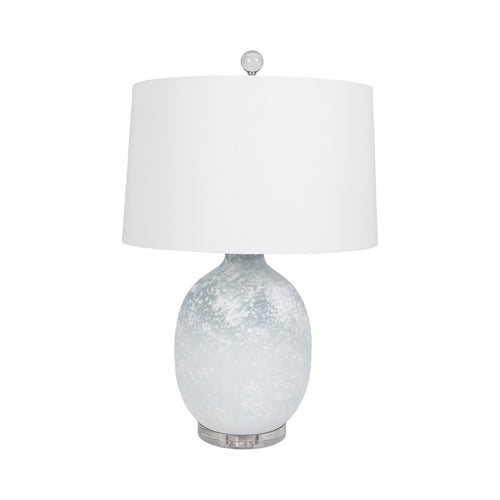
Table Lamp | 27" Sky Blue Glass Base with Wide White Linen Drum Shade
$218.50SKU: SBH-51320
-
 Sold out
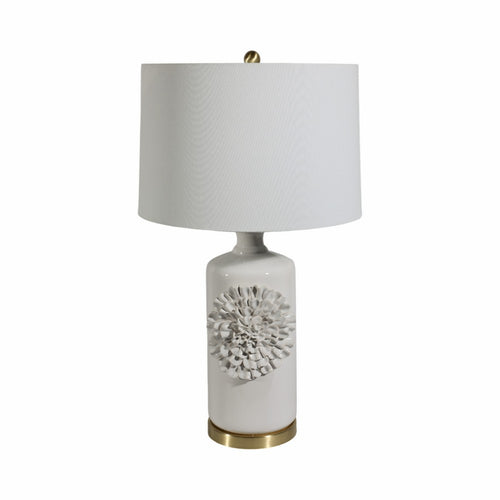
Decorative Table Lamp | Dahlia Flower Applique | Cream Ceramic 17"
$237.80SKU: SBH-51317
-
 Sold out
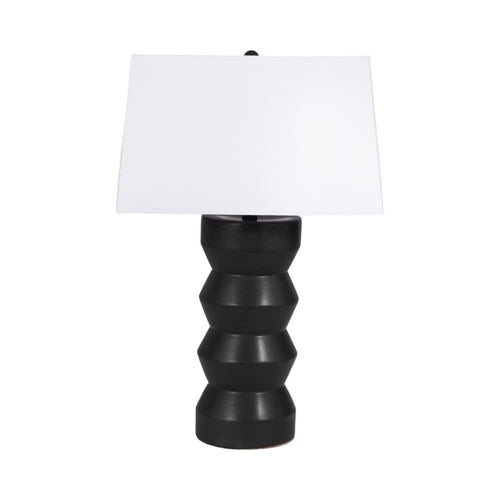
Totem Table Lamp | Off-White Linen Shade | Geometric Black Resin & Metal
$188.78SKU: SBH-51314
-
 Sold out
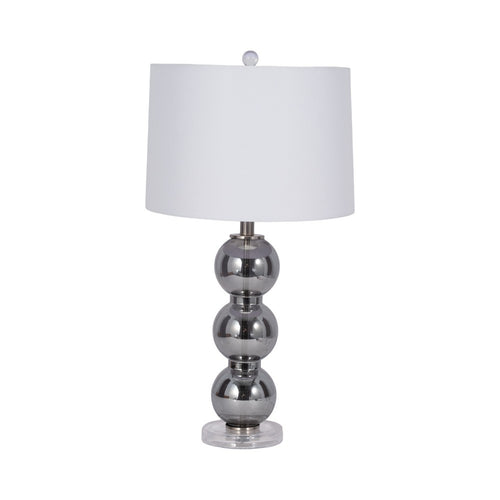
Table Lamp | Stacked Balls White Linen Shade | Gray Glass Crystal 16"
$184.11SKU: SBH-51313
-
 Sold out
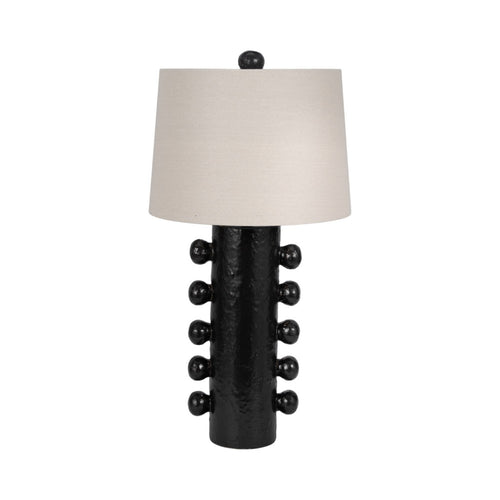
Keav Tall Accent Table Lamp | Retro Knobbled Design | Black Ceramic 31"
$160.99SKU: SBH-51310
-
 Sold out
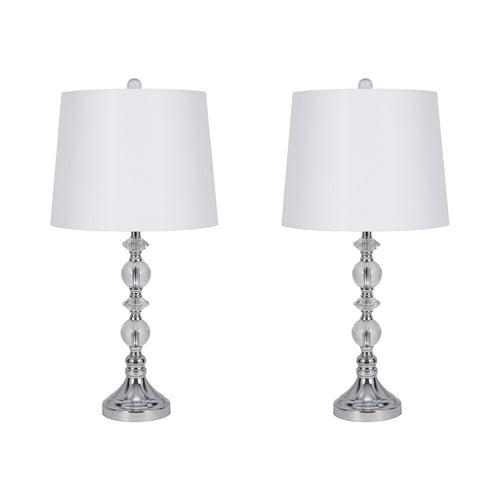
Maxx Table Lamps Set of 2 | White Linen Shades | Silver Crystal-Steel 26"
$150.66SKU: SBH-51282
-
 Sold out
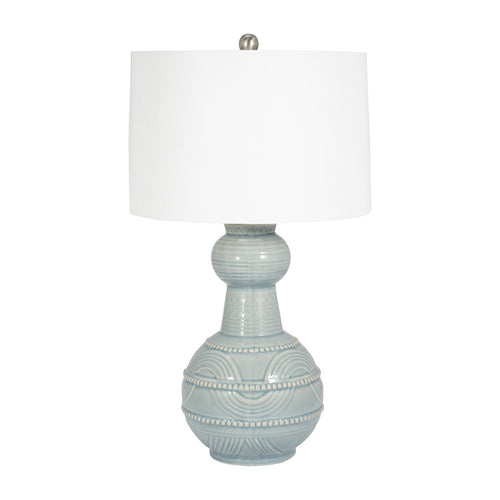
Stevia Bottle Table Lamp | Off-White Linen Shade | Blue Ceramic 28"
$220.17SKU: SBH-51235-01


Why Lighting Might Be the Most Underrated Part of Your Home
Most people spend a lot of time picking out sofas, rugs, and wall colors — and then hang a single overhead light and call it a day. But lighting is one of those things that quietly makes or breaks how a room actually feels to live in. Get it right, and even a modest space feels warm and intentional. Get it wrong, and even expensive furniture looks flat.
The good news? You don't need to be an interior designer to figure this out.
Start with Your Ceiling
Ceiling fixtures are your starting point — they handle the heavy lifting of general illumination. If you have lower ceilings, flush or semi-flush mount lights keep things clean and uncluttered. Got a dining table or kitchen island? A pendant light or two does something a flat ceiling fixture never can — it anchors the space and gives it a focal point. And if you really want to make a statement in an entryway or dining room, a chandelier earns it keep every single day.
Layer in Some Floor and Table Lamps
Here's where a lot of rooms fall short — they rely entirely on overhead lighting, which tends to be harsh and one-dimensional. Floor lamps tucked into a reading corner or beside a sofa add a completely different quality of light. It's softer, more directional, and honestly just more comfortable to sit under in the evening. Table lamps work the same way on nightstands or side tables — they pull double duty as both a light source and a decorative object.
A room lit from multiple heights and angles just feels more alive with the best floor lamps for small spaces. The goal is layers.
Don't Overlook Your Walls
Wall sconces are surprisingly underused in most homes. They free up floor space, work beautifully in hallways and bathrooms, and add a sense of depth that ceiling lights alone can't create. If you have artwork or photograph, you're proud of, picture lights are worth considering too — there's a real difference between a piece hanging in the dark and one that's properly illuminated.
Task Lighting Is About Making Life Easier
This is the practical side of things. A good desk lamp means you're not squinting at your screen or straining your eyes during late-night work sessions. Under-cabinet lighting in the kitchen sounds like a small detail until you're actually chopping vegetables without decent light and realize how much it matters. Vanity lighting in the bathroom matters more than people admit — that overhead light that casts shadows under your eyes isn't doing anyone any favors.
The Three-Layer Rule
While searching for the best lighting for modern homes, every room benefits from combining three distinct types of lighting rather than relying on just one source, aim for three types of lighting in any room.
Ambient lighting is your base layer — it fills the room with general light. Task lighting handles the functional stuff, wherever you need focused brightness. Accent lighting is more about atmosphere — highlighting a bookshelf, a piece of art, or an architectural detail you want people to notice.
You don't need all three in every corner of every room. But when they work together, the difference is immediately noticeable.
Picking the Right Bulb
LED bulbs are the obvious choice for almost everything at this point — they last longer, run cooler, and use a fraction of the energy of older bulbs. Smart bulbs are worth it if you want the flexibility to dim lights or shift color tones without getting up. Incandescent bulbs still have fans because of their warm, familiar glow, but they burn out faster and cost more to run. Halogens sit somewhere in between — bright and crisp, but not particularly efficient.
Color Temperature Actually Matters
This is one of those details that most people ignore until they paint a room the wrong color under the wrong light and wonder why it looks nothing like the swatch.
Bulbs in the 2700K–3000K range put out a warm, golden light that works beautifully in bedrooms, living rooms, and dining spaces — anywhere you want things to feel relaxed and inviting. The 3500K–4500K range is cooler and more neutral, which suits kitchens, bathrooms, and home offices where you need to actually see what you're doing. Go up to 5000K–6500K and you're in daylight territory — great for garages and workspaces, but a bit clinical for anywhere you spend leisure time.
Lighting rarely gets the credit it deserves in home design conversations. But swap out a harsh overhead fixture for a warmer bulb, add a floor lamp in a dim corner, or put a sconce in a hallway that's always felt a little unwelcoming — and the change is immediate. You can make impactful upgrades with modern lighting fixtures, which often proves to be pretty affordable.
Frequently Asked Questions About Home Lighting
1 - Q: Do I really need three different types of lighting in every room?
A: Not necessarily in every corner, but yes — it makes a real difference. Think of it this way: ambient lighting handles the basics and fills the room with general light, task lighting helps you actually do things like read or cook without straining your eyes, and accent lighting is what gives a room personality by drawing attention to things worth noticing. When all three work together, a room stops feeling like a box with a bulb in it and starts feeling like somewhere you actually want to spend time.
2- Q: What bulbs should I actually be buying?
A: Honestly, LEDs for almost everything. They last longer, run cooler, and won't quietly inflate your electricity bill. If you like the idea of adjusting brightness or changing the mood without getting off the couch, smart bulbs are worth the slightly higher upfront cost. Incandescent bulbs still have that lovely warm glow people love, but they burn through energy and need replacing far more often.
3- Q: What exactly is color temperature and should I care about it?
A: More than most people realize, yes. It's basically how warm or cool your light looks. Warmer tones feel cozy and relaxed, which is why they work so well in bedrooms and living areas. Cooler, brighter tones help you stay focused, making them a better fit for kitchens, bathrooms, and home offices. The harshest, most daylight-like tones are best saved for garages or utility spaces where you need maximum visibility over comfort.
4 -Q: My room feels dim but I don't want to deal with installation — what can I do?
A: This is actually easier to fix than most people expect. A floor lamp in a dark corner, a table lamp on a side table, or a plug-in wall sconce can completely change how a room feels — no electrician, no drilling, no hassle. Lighting from different heights naturally makes a space feel warmer and more layered than a single ceiling fixture ever could.
5- Q: What's one lighting change that actually makes a visible difference?
A: Swap out any cold, bluish bulbs for something warmer — it costs almost nothing and the difference is immediately noticeable. After that, adding even one floor lamp to a room that currently relies only on overhead lighting is probably the single most impactful change you can make without spending much or changing anything permanently.