-
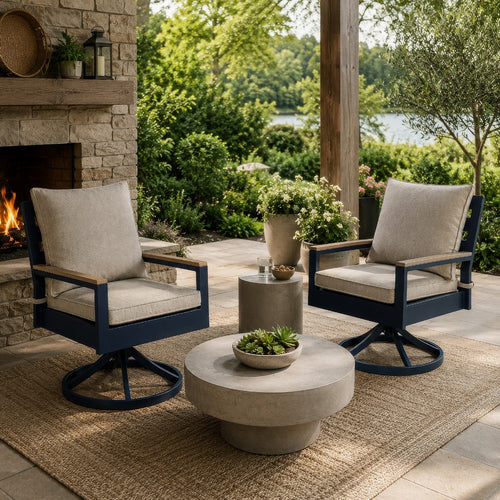 Sale New
Beco Outdoor Swivel Chair Set of 2 | Beige Nuvella Cushions | Navy Blue Metal
$1,600.80 $1,142.00SKU: BM352898
-
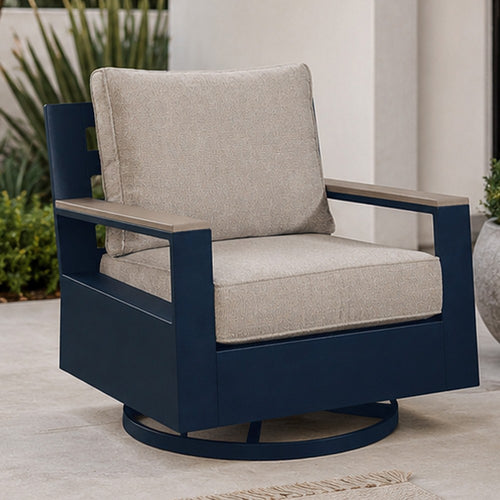 Sale New
Beco Outdoor Swivel Glider Chair | Beige Nuvella Cushions | Navy Blue Metal
$1,487.70 $1,062.00SKU: BM352897
-
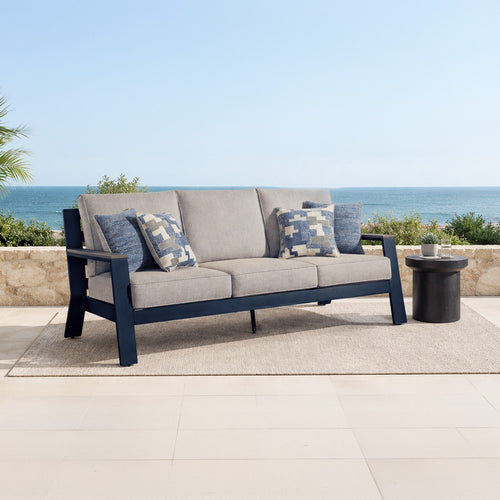 Sale New
Beco Outdoor 3-Seater Sofa w 4 Pillows | Beige, Navy Blue Nuvella | 83"
$2,170.65 $1,423.00SKU: BM352896
-
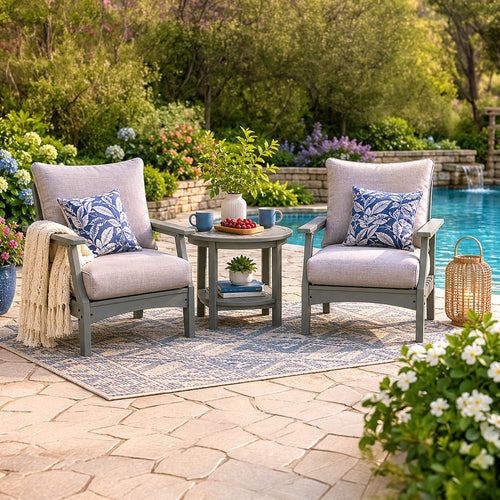 Sale New
Covi Outdoor Lounge Chair Set of 2 | Foam Fill Nuvella Cushions | Gray
$1,841.50 $1,306.00SKU: BM352904
-
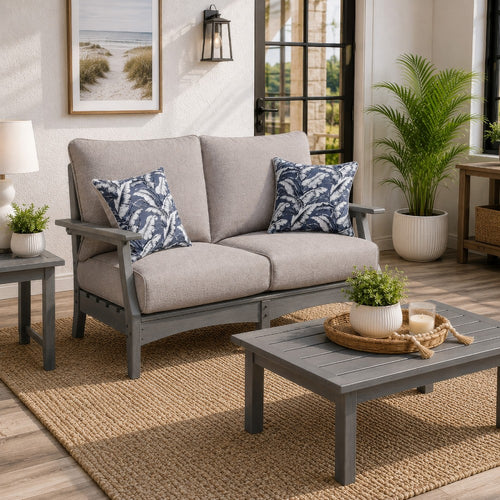 Sale New
Covi Outdoor Loveseat w 2 Pillows | Foam Fill Nuvella Cushions | Gray 54"
$1,592.10 $1,134.00SKU: BM352903
-
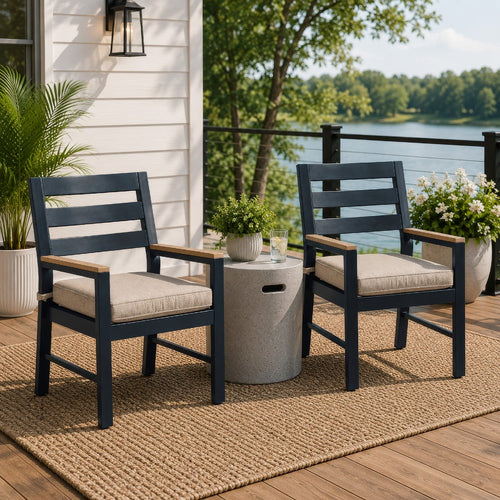 Sale New
Eina Outdoor Armchair Set of 2 | Foam Fill Beige Nuvella Seat | Navy Blue
$1,186.03 $851.00SKU: BM352912
-
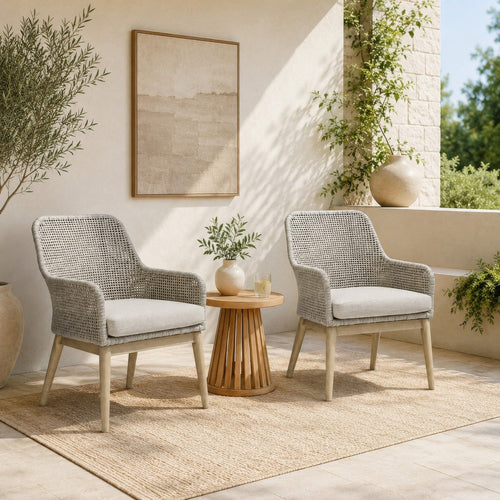 Sale New
Yami Patio Armchair | Set of 2 | Wooden Angled Legs | Gray Resin Wicker
$1,213.58 $872.00SKU: BM353004
-
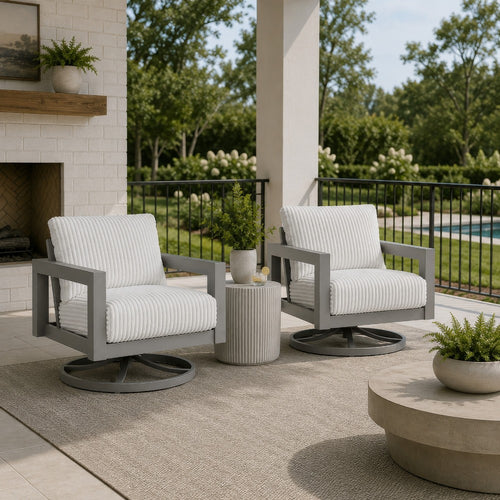 Sale New
Jazzy Outdoor Swivel Chair with Corded Fabric Cushions | Gray Aluminum
$1,407.88 $1,008.00SKU: BM353010
-
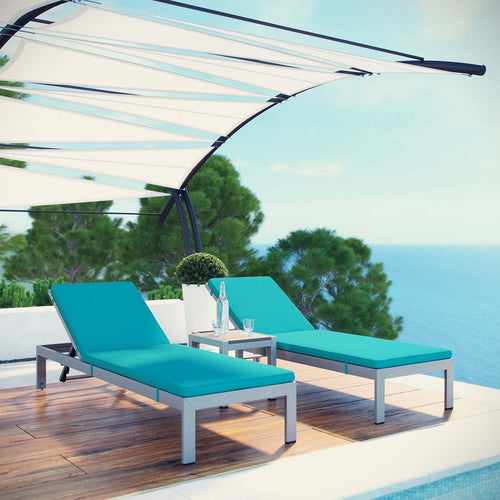 Sale
SaleShore 3 Piece Outdoor Patio Aluminum Chaise with Cushions by Modway| Silver Turquoise
$1,075.07 $767.91SKU: MDY-EEI-2736-SLV-TRQ-SET
-
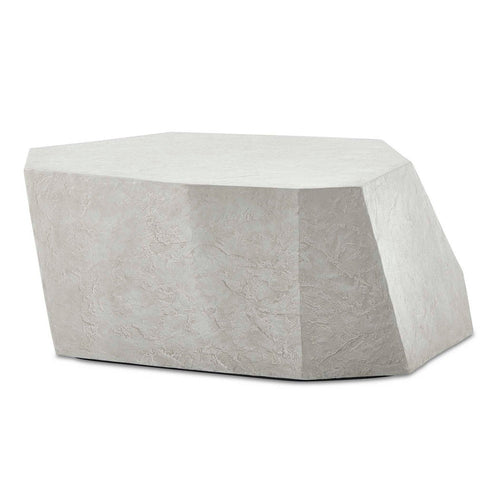 Sale
SaleUttermost Parra Limestone Outdoor Coffee Table
$1,377.60 $984.00SKU: UT-50143
-
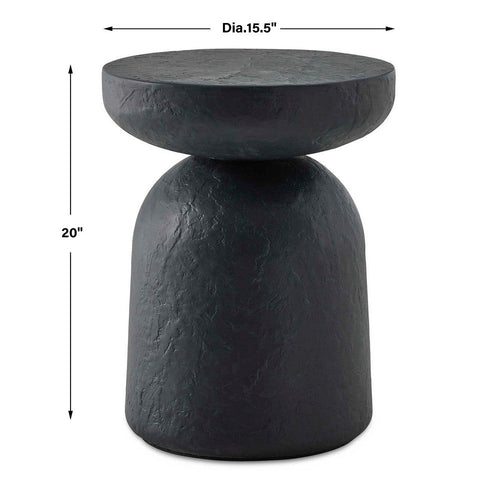 Sale
SaleUttermost Hurlee Outdoor Accent Table
$695.52 $496.80SKU: UT-50167
-
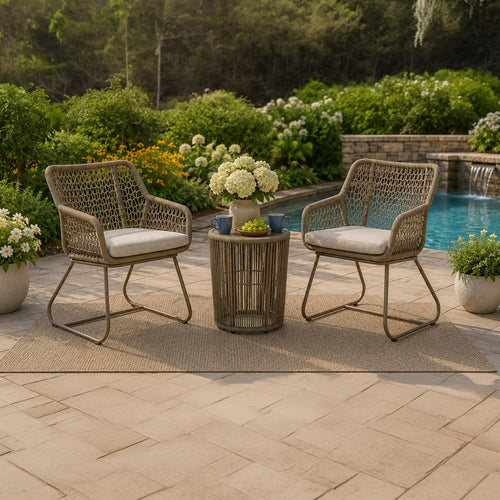 Sale New
Majo 3pc Outdoor Table & Chair Set | Rope Woven Aluminum | Beige Nuvella
$1,204.00 $860.00SKU: BM352910
-
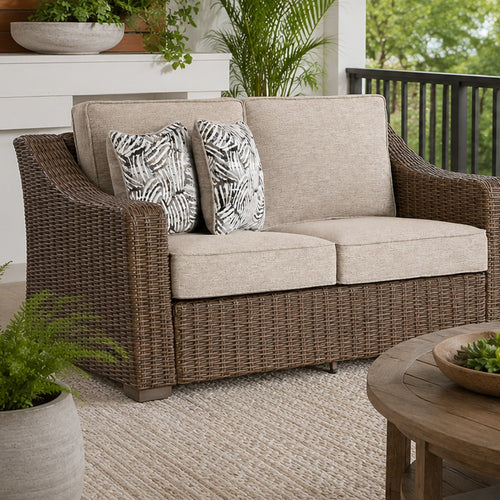 Sale New
Leso Outdoor Loveseat | 2 Pillows | Beige Cushions | Brown Wicker Rattan 60"
$1,561.00 $1,115.00SKU: BM352890
-
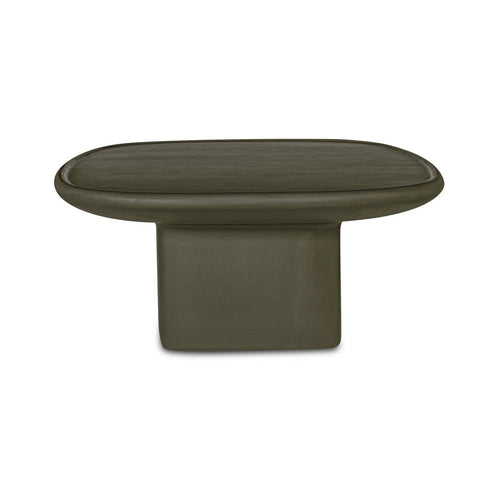 Sale
SaleManon Outdoor Coffee Table Deep Green
$1,593.90 $1,138.50SKU: MCN-VH-1024-16
-
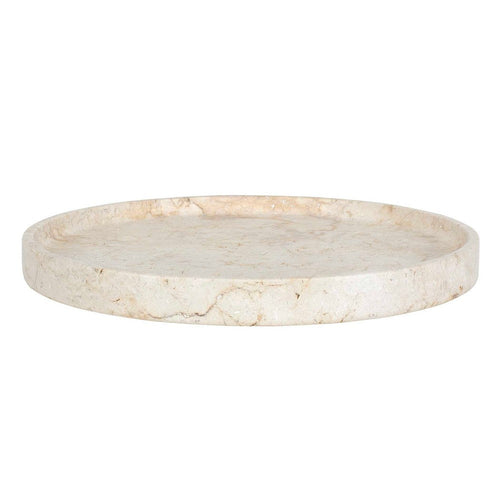 Sold out
Uttermost Travessa Outdoor Round Stone Tray
$332.64 $237.60SKU: UT-17138
-
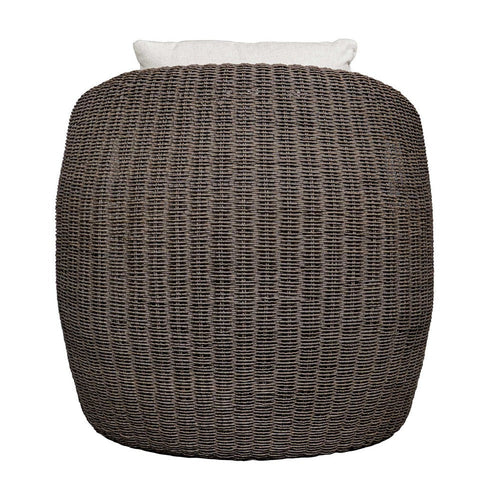 Sold out
Uttermost Tropic Outdoor Lounge Chair
$3,017.28 $2,155.20SKU: UT-23932
-
 Sold out
Toni Outdoor Armchair Set of 2, Cabriole, Scrolled Lattice Bronze Aluminium By Casagear Home
$948.25 $600.00SKU: BM320552
-
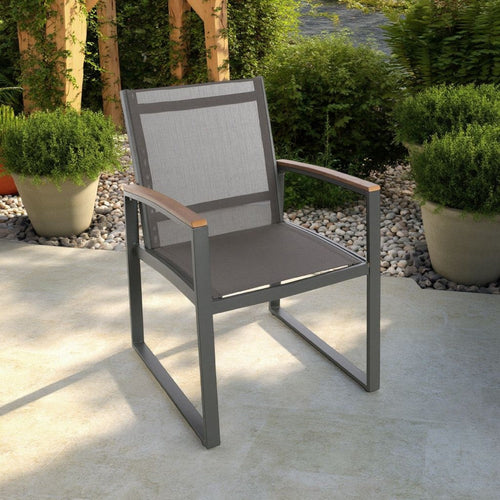 Sold out
Outdoor Dining Chair Set of 2, Gray Mesh Seat and Brown Faux Wood, Metal By Casagear Home
$466.13 $356.50SKU: BM320590
-
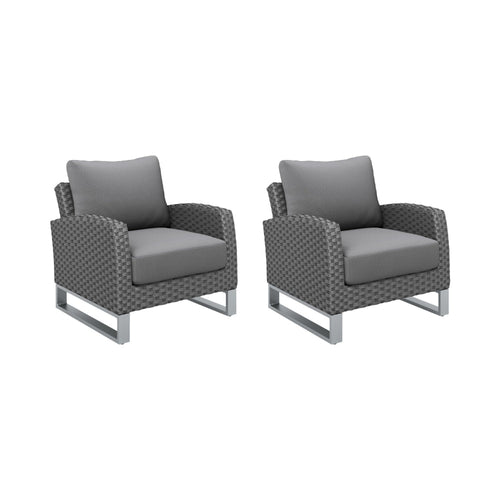 Sold out
Kiu 2pc Outdoor Sofa Armchair, Woven Gray Aluminum Frame and Cushion
$664.19 $514.24SKU: BM326208
-
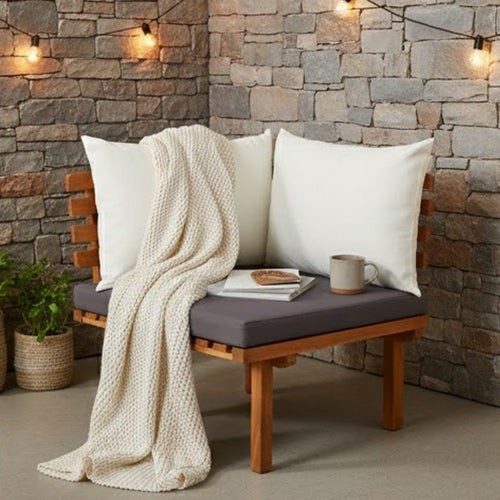 Sold out
Roma Outdoor Modular Corner Chair, White Fabric, Solid Acacia Wood
$151.73 $108.06SKU: BM325855
-
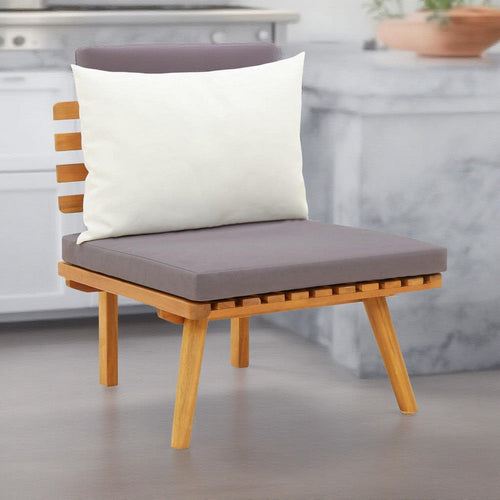 Sold out
Roma Outdoor Modular Armless Chair, White Fabric, Brown Acacia Wood
$136.72 $96.80SKU: BM325856
-
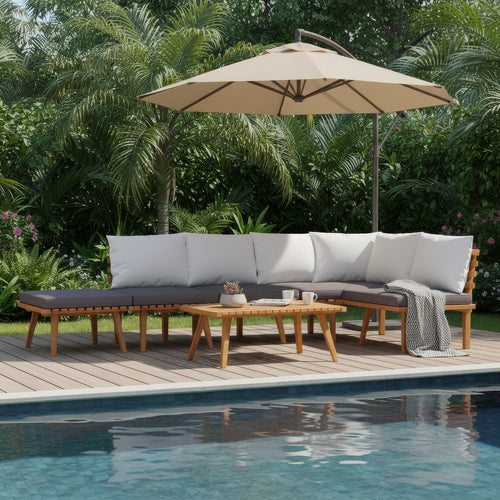 Sold out
Roma 4pc Outdoor Modular Corner Sofa Set, Coffee Table, Footrest, Wood
$396.89 $303.79SKU: BM325859
-
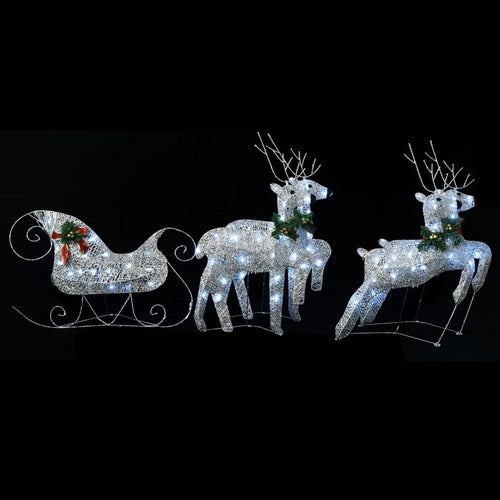 Sold out
Outdoor 4 Reindeer n Sleigh Christmas Decoration, 100 LEDs, Cool White
$168.73 $101.24SKU: BM325925
-
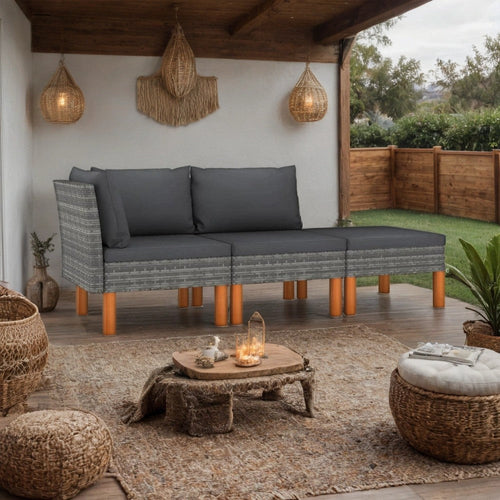 Sold out
Reem Outdoor 3pc Modular Sofa Set, Gray Poly Rattan Frame, Polyester
$271.34 $207.41SKU: BM325946
-
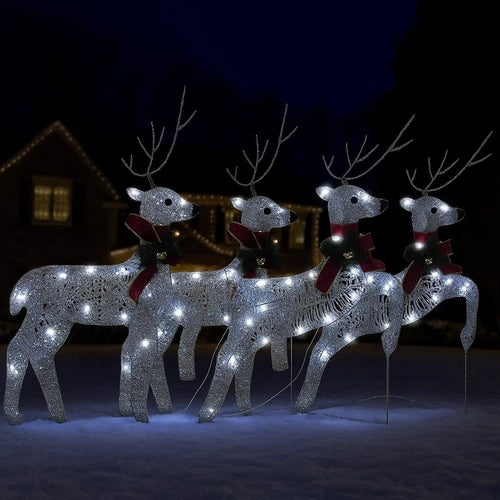 Sold out
Outdoor 4 Reindeer Christmas Decor, 80 Cool White LEDs, Silver Metal
$158.80 $95.28SKU: BM325960
-
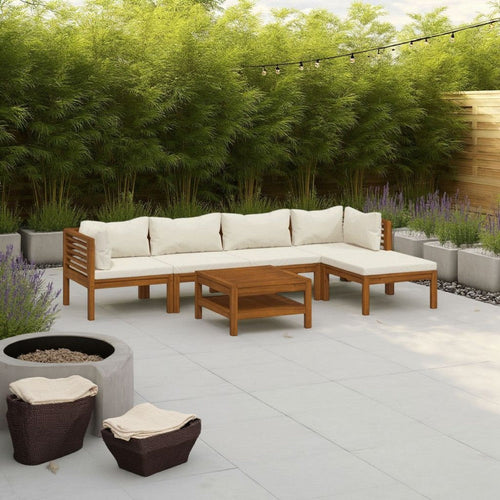 Sold out
6pc Outdoor Modular Sofa Set, Coffee Table, Ivory, Brown Acacia Wood
$745.29 $529.57SKU: BM325672
-
 Sold out
Andy Outdoor Cushion for Bench, 79", Tufted Dark Gray Oxford Fabric
$55.93 $40.08SKU: BM325749
-
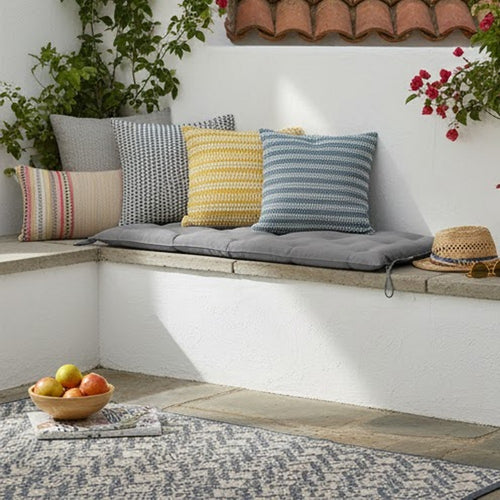 Sold out
Claire Outdoor Cushion for Bench, Gray Button Tufted Fabric, 59" Wide
$61.43 $47.74SKU: BM325585
-
 Sold out
Ley 4pc Outdoor Modular Sofa Set, Dark Gray Polyester, Poly Rattan
$279.44 $213.69SKU: BM325623
-
 Sold out
Claire Outdoor Cushion for Bench, 47", Beige Tufted Oxford Fabric
$54.53 $49.90SKU: BM326358
-
 Sold out
Kia Outdoor Cushions for Set of 2, Tufted Green Oxford Fabric
$53.64 $39.12SKU: BM326267
-
 Sold out
Garden 4pc Outdoor Christmas Decoration, 80 Cool White LEDs
$130.05 $91.83SKU: BM326244
-
 Sold out
Outdoor 299 LED Lit Christmas Reindeer Family 3pc Set, Multicolor, Steel
$123.38 $87.33SKU: BM325771
-
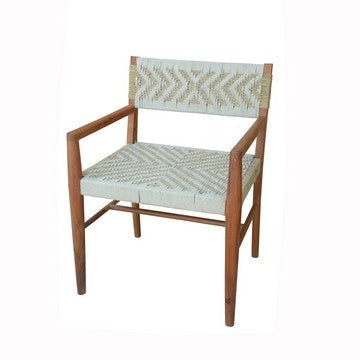 Sold out
Kia Armchair | 21" | Acacia Wood | Cotton Woven | Natural Cream
$233.79 $172.99SKU: BM285093
-
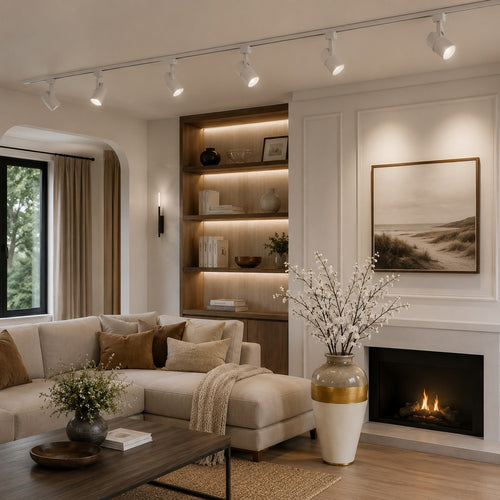 Sold out
LED Track Fixture | 10W Integrated | Polycarbonate Head | White
$76.99 $56.57SKU: BM220640
-
 Sold out
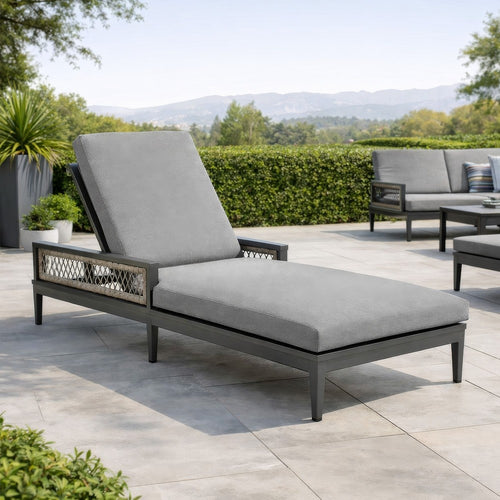
Hosa 83 Inch Outdoor Adjustable Chaise Lounger, Aluminum, Gray Woven Rope By Casagear Home
$2,000.60 $685.24SKU: BM315736


Outdoor Living: Style Meets Function
Transform your outdoor space into a true extension of your home — built to last, easy to maintain, and genuinely comfortable whether you're unwinding solo or hosting a crowd.
Building the right setup
Getting your outdoor space right starts with understanding the core modern outdoor furniture categories and how they work together.
Outdoor and patio seating forms the foundation. From generous sofas and sectionals to lounge chairs and benches, the options span every occasion — lazy afternoons in the sun, evening gatherings, or simply having a quiet corner to yourself.
Stylish outdoor tables tie the space together. Dining tables anchor meal times, coffee and side tables add everyday convenience, and fire pit tables bring warmth and ambiance when the temperature drops.
Dining sets offer a coordinated, fuss-free approach. Whether you need a snug two-person bistro arrangement or a full nine-piece spread for entertaining, sets come sized for every scenario — many with built-in umbrella holes for sun protection.
Accessories complete the picture. Cushions, umbrellas, planters, and protective furniture cover elevate the look while helping your investment go the distance through every season.
What actually matters when buying
Four things will determine how satisfied you are with outdoor furniture over time.
Weather resistance
Teak, aluminum, wicker, and powder-coated steel are all proven performers — durable enough for most climates and low on upkeep demands.
Space & layout
Measure your area, then plan the furniture placement accordingly so that movement through the space feels practical rather than cramped.
Maintenance
Fade-resistant and easy-clean materials which are best suited to your local climate mean less time maintaining and more time enjoying.
Style alignment
Whether your home leans towards modern, rustic, or even a classic look, outdoor furnishing pieces should feel like a natural outward continuation of your interior aesthetic.
Making small spaces work
A compact outdoor area is no more going to be a barrier to comfort. With the right piece of affordable outdoor and patio furniture, even a modest balcony or terrace can feel like a functional visual retreat.
Folding tables and chairs offer utmost flexibility, much easier to rearrange and tuck away when not in use. Bistro sets are purposely built for tighter areas, delivering style and practicality making it look loud. Modular sectionals reconfigure your space and can suit different occasions or group sizes. For the tightest spaces, hanging chairs or wall-mounted seating options free up valuable floor area without sacrificing the much-needed comfort.
The underlying principle is the same regardless of scale: choose patio furniture sets that earn their place, serve more than one purpose where possible, and feel intentional rather than improvised.
Done efficiently, an outdoor space becomes even more than just a patio, it becomes a year-round destination that mirrors comfort, character, and ease all together for all of your best interior rooms.
Outdoor Living — Q&A
1- What are the best materials for outdoor furniture that can handle tough weather?
Teak, aluminum, wicker, and powder-coated steel are the top performers. All four are durable across most climates and require minimal upkeep. The right pick depends on your local conditions — for example, aluminum resists rust well in humid or coastal settings, while teak develops a beautiful silver patina over time with little maintenance.
2- How do I figure out which furniture pieces I actually need?
Start with the basics: seating (sofas, lounge chairs, or benches) forms the foundation of any outdoor space. Then add a table that suits your use — a dining table for meals, a coffee or side table for everyday convenience, or a fire pit table for warmth and ambiance. If you want a coordinated look without the guesswork, a dining set packages everything together and often includes an umbrella hole for sun protection.
3- My outdoor space is quite small. What should I choose?
Compact areas call for smart, multi-purpose pieces. Folding tables and chairs are easy to rearrange and store away. Bistro sets are purpose-built for tight spots and look great on a small balcony or terrace. If you want flexible seating for different group sizes, modular sectionals let you reconfigure the layout. For truly tight spaces, hanging chairs or wall-mounted seating free up floor space without giving up comfort.
4- How do I make sure my outdoor furniture matches the rest of my home?
Think of your outdoor space as a natural extension of your interior. If your home leans modern, look for clean lines and neutral tones. If it's more rustic, natural textures like teak or wicker fit well. Classic interiors pair nicely with symmetrical layouts and traditional forms. Accessories — cushions, planters, and umbrellas — are an easy way to tie colors and textures together across both spaces.
5- What accessories are actually worth buying?
The most practical additions are cushions for comfort, umbrellas for shade, and protective furniture covers to extend the lifespan of your pieces through seasonal changes. Planters add a finished, considered feel to the space. These extras aren't just decorative — they protect your investment and make the space genuinely more comfortable to use day to day.
6- How much maintenance should I expect with outdoor furniture?
It depends on the materials you choose. Fade-resistant and easy-clean materials suited to your local climate will keep upkeep minimal. If you live somewhere with harsh winters, furniture covers go a long way. Teak needs occasional oiling if you want to preserve its original color. Aluminum and powder-coated steel are particularly low effort — a wipe-down is usually all they need. The goal is to spend more time enjoying the space than maintaining it.
7- How do I plan a layout so the space doesn't feel cramped?
Measure your area before you buy anything. Then plan furniture placement with movement in mind — leave clear pathways so that walking through the space feels natural rather than awkward. A good rule of thumb is to leave at least 60–90 cm around key pieces. For smaller areas, choose furniture that does more than one job, and resist the urge to fill every corner.