-
 Sale
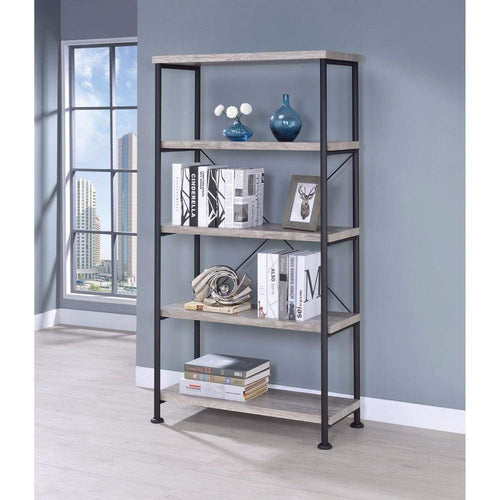
SaleBookcase | Sophisticated Wood Metal | Open Shelves | Gray
$232.64 $214.00SKU: CCA-801546
-
 Sale Best Seller
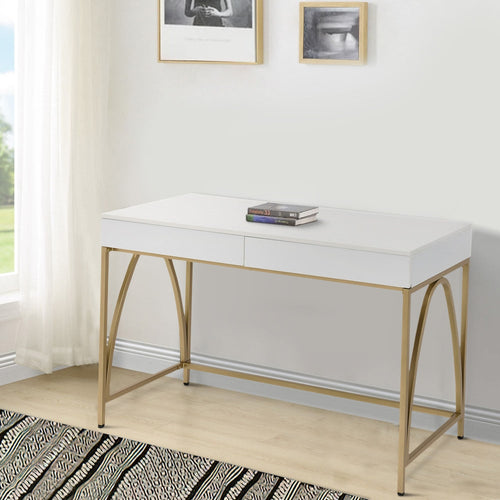
47" 2 Drawer Wood Frame Desk With Metal Support, White and Gold By Casagear Home
$582.34 $539.50SKU: BM211100
-
 Sale Best Seller
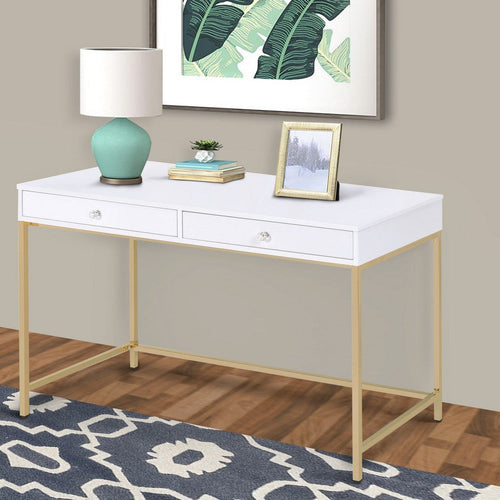
Two Drawers Wooden Desk with Tubular Metal Base, White and Gold
$486.14 $438.50SKU: AMF-92540
-
 Sale
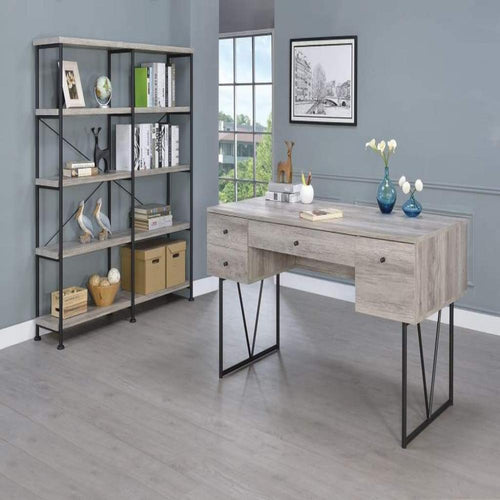
SaleChic Atelier Writing Desk 4 Drawer, Driftwood Gray
$482.24 $425.50SKU: CCA-801999
-
 Sale
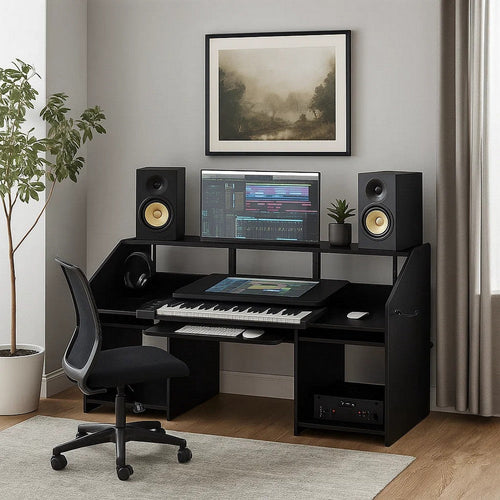
SaleMusic Studio Desk | 71" | Keyboard Tray | Monitor Shelf | Black
$956.58 $645.50SKU: BM276204
-
 Sale
SaleGia Music Desk | 67" | Keyboard Tray | Shelves | Black
$669.44 $598.50SKU: BM276200
-
 Sale
SaleOffice Desk | L Shaped Contemporary | Gray Finish
$571.94 $435.00SKU: CCA-801516
-
 Sale
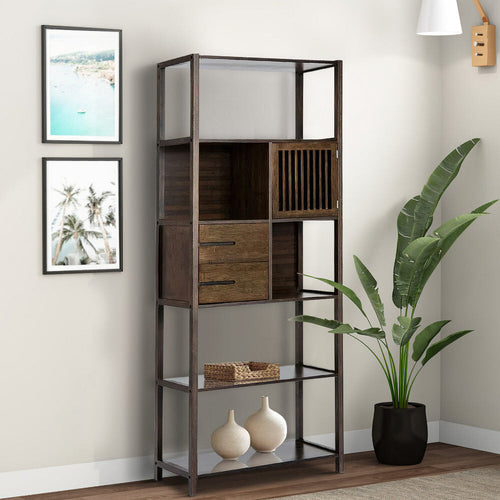
SaleAxa Bookcase | 68" | Bamboo | Cabinet Base | Dark Brown
$304.14 $294.00SKU: BM274297
-

Preston Writing Desk | 3 Drawers | Wood Frame | Black
$664.00SKU: BM269320
-
 Sale
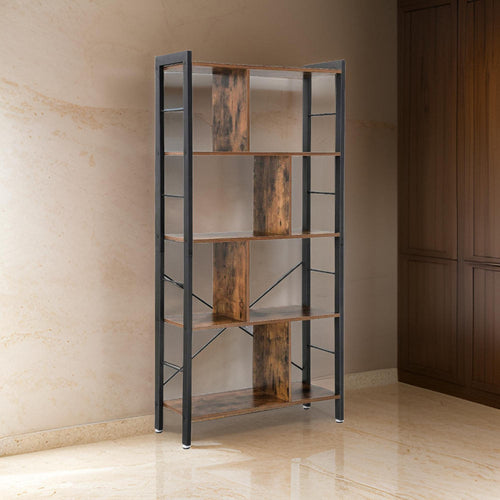
SaleBookcase | 4 Tier | Wood & Metal | Crossbars | Brown & Black
$157.24 $92.22SKU: BM233143
-
 Sale
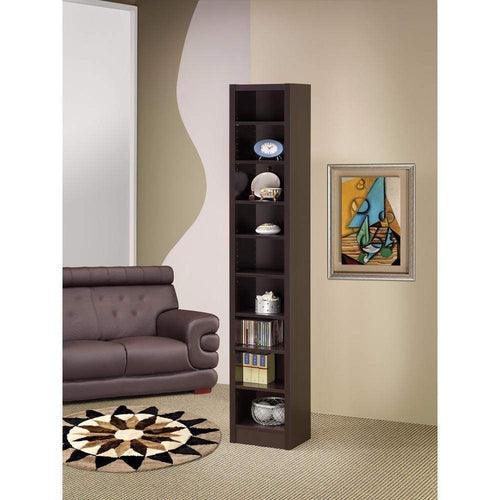
SaleBookcase | Narrow Wood Frame | Glimmering Brown Finish
$170.24 $148.50SKU: CCA-800285
-
 Sale Best Seller
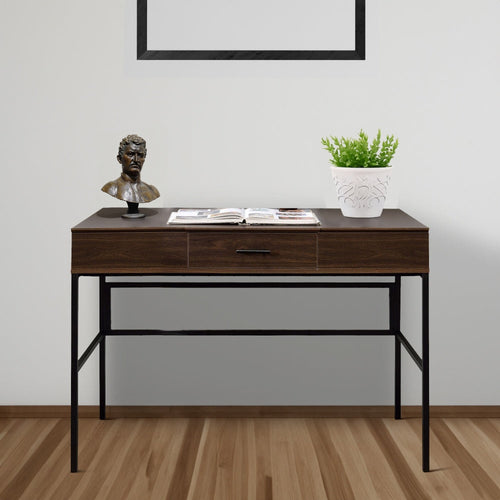
Mira Writing Desk | Lift Top | USB Plugin | Brown
$369.14 $333.50SKU: BM250369
-
 Sale
SaleWood & Metal Writing Desk with Spacious Drawer, Light Walnut Brown & Gold By Casagear Home
$552.44 $439.50SKU: FOA-CM-DK6447
-
 Sale
Sale30" Wooden Writing Desk with 1 Drawer & Slatted Sides, Brown By Casagear Home
$647.34 $633.50SKU: BM210129
-
 Best Seller
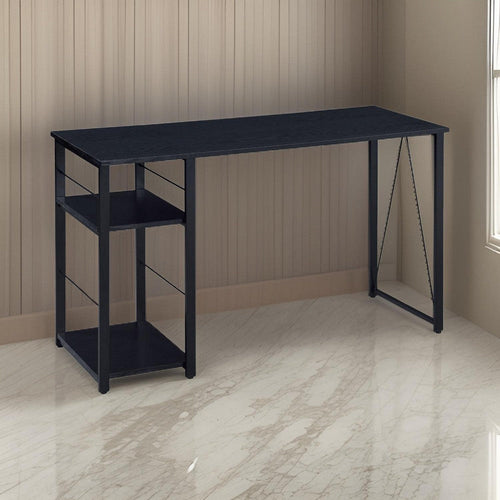
Mira Writing Desk | 2 Tier Shelves | Tubular Legs | Black
$137.50SKU: BM250209
-
 Best Seller
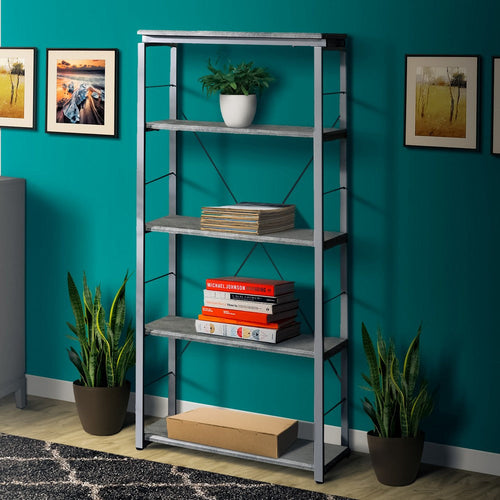
54" 4-Shelf Bookshelf with X Back, Silver and Gray By Casagear Home
$170.50SKU: BM209626
-
 Sale
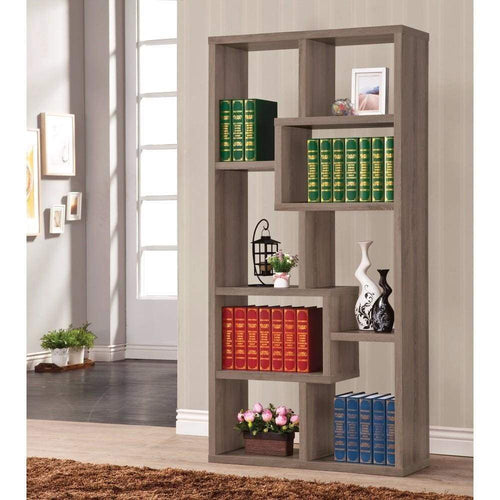
SaleBookcase | Cubed Rectangular Style | Multiple Gray Shelves
$262.54 $228.00SKU: CCA-800510
-
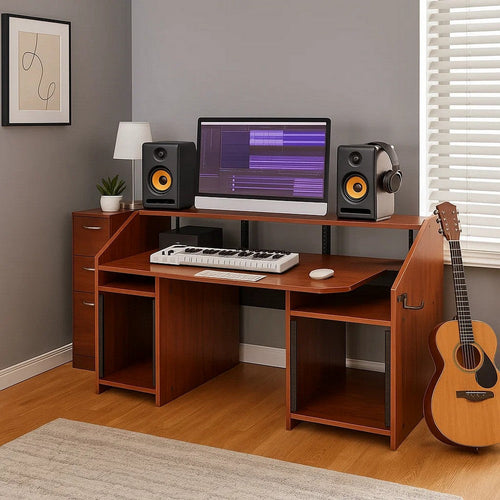 Sale Best Seller
Music Desk | 71" | Studio Station | 3 Shelves | Cherry Brown
$672.04 $600.50SKU: BM276205
-
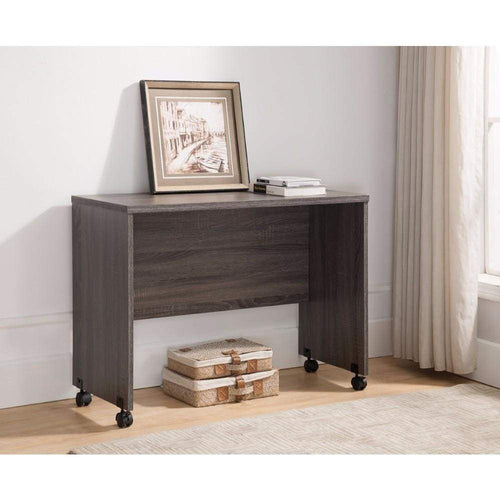
Return Table | Stylish Mobility Design | Brown Finish
$99.50SKU: IDF-161525C
-
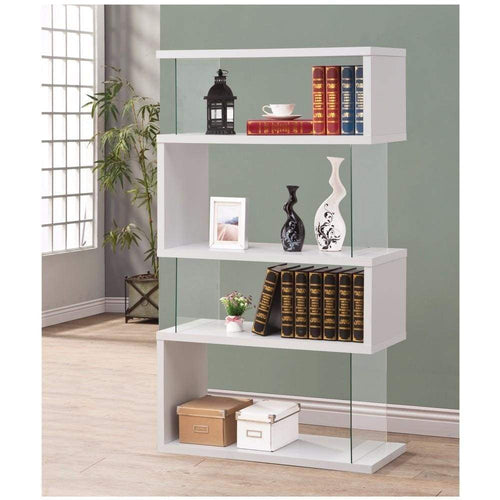 Sale
SaleBookcase | Glossy Wood Frame | Fantastic White Finish
$259.94 $229.00SKU: CCA-800300
-
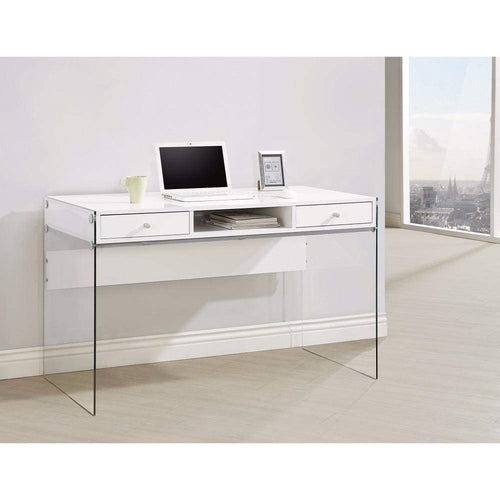 Sale
SaleWriting Desk | Contemporary Metal Frame | Clear White
$323.64 $264.50SKU: CCA-800829
-
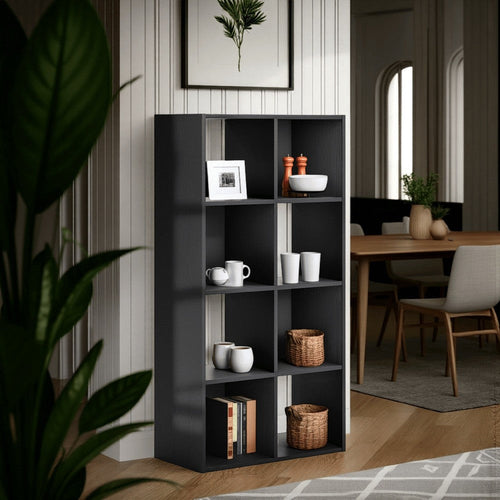 Best Seller
Zayla Wood Bookcase Organizer | 48" | 8 Cube Compartments | Black
$138.50SKU: BM283052
-
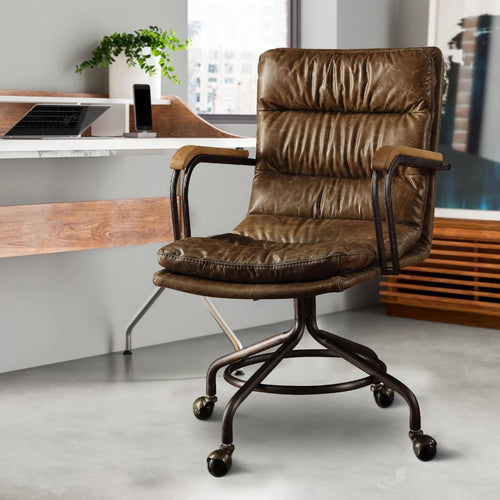 Sale
SaleMetal & Leather Executive Office Chair, Vintage Whiskey Brown
$1,034.92 $650.50SKU: AMF-92416
-
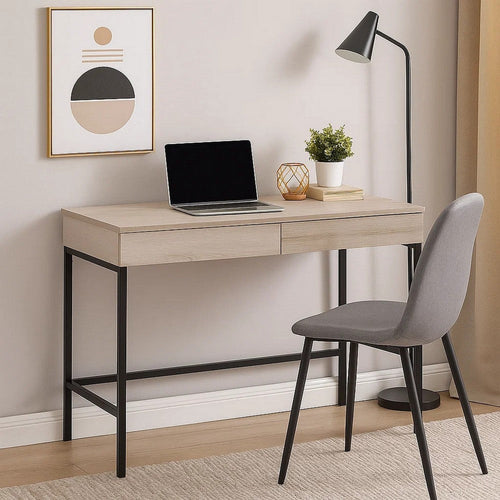 Sale Best Seller
42" 2 Drawer Metal Frame Wood Desk, Washed White and Black By Casagear Home
$410.74 $371.50SKU: BM211102
-
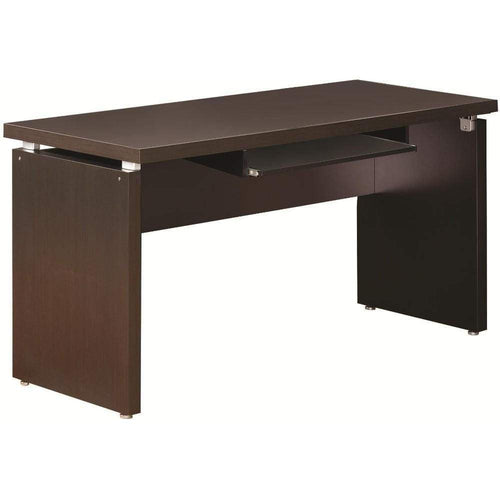 Sale
SaleComputer Desk | Chic Design | Cappuccino Finish
$245.64 $222.50SKU: CCA-800891
-
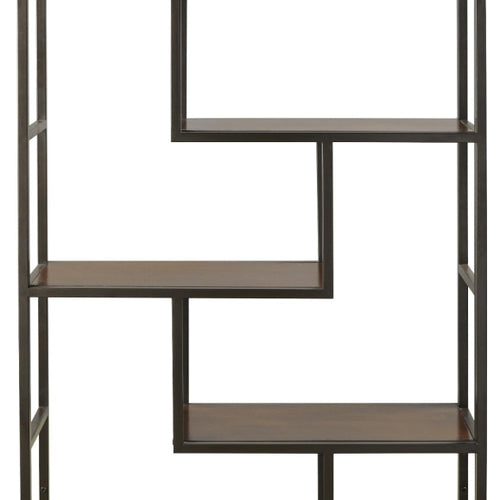 Sale
SaleAshley 5 Shelves Asymmetric Design Bookcase with Metal Frame, Brown and Black
$389.94 $373.00SKU: BM210649
-
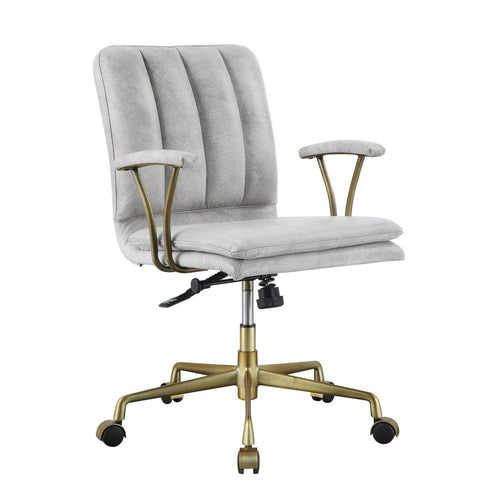 Sale
Sale34" Adjustable Leatherette Swivel Office Chair, Gray & Gold By Casagear Home
$726.64 $702.50SKU: BM225727
-
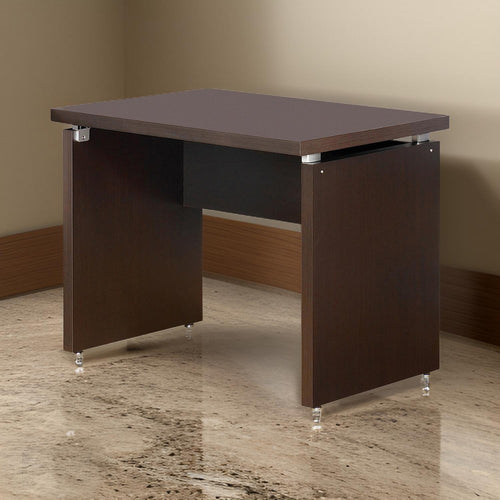 Sale
SaleTransitional Style Wooden Desk Return with Wide Top, Espresso Brown By Casagear Home
$230.04 $198.50SKU: BM206505
-
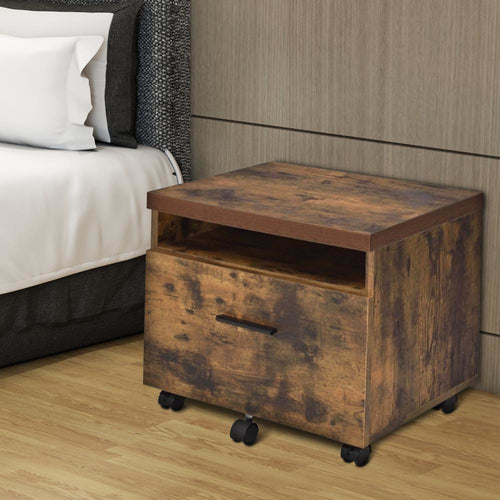 Sale Best Seller
Wooden File Cabinet With Open Compartment And Drawer, Oak Brown And Black
$207.94 $197.50SKU: AMF-92398
-
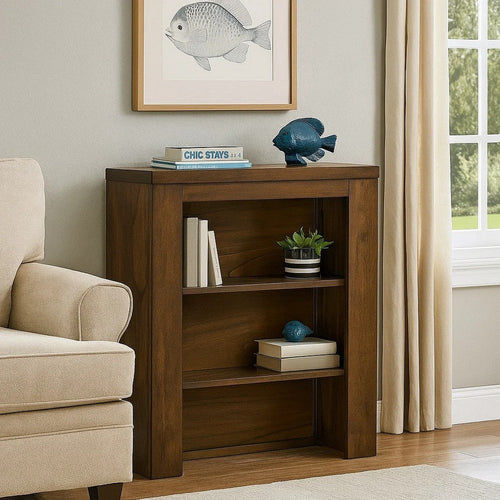
Maryl 26 Inch Pier Bookcase with 2 Shelves, Solid Wood, Antique Oak Brown By Casagear Home
$215.50SKU: BM309468
-
 Sale
SaleGia Music Desk | 67" | Wood Studio Station | Keyboard Tray | Walnut
$699.34 $645.50SKU: BM276201
-
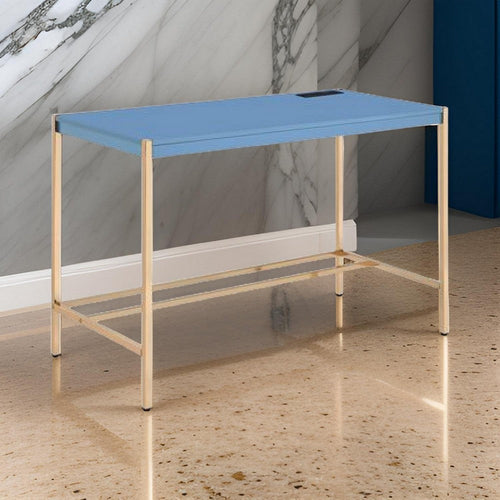
Nova Writing Desk | USB Dock | Metal Legs | Blue & Rose Gold
$198.50SKU: BM269052
-
 Sale
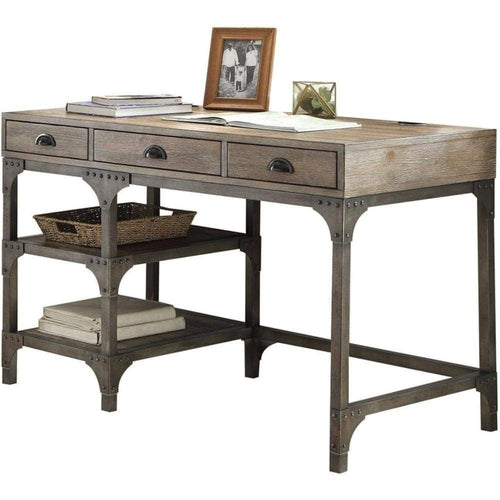
SaleWood And Metal Desk With Three Drawers And Two Side Shelves, Oak Brown And Gray
$478.34 $434.50SKU: AMF-92325
-
 Sale
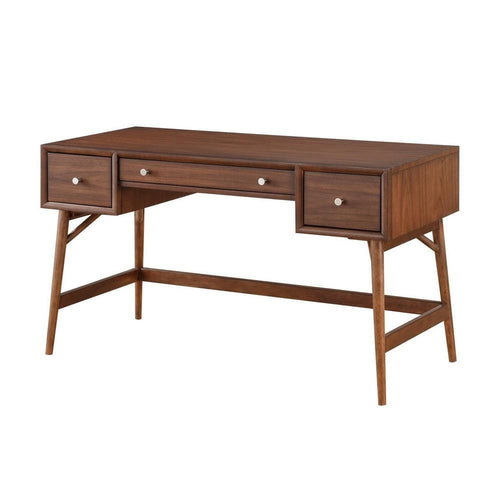
Sale51" 3-Drawer Writing Desk with Splayed Legs, Walnut Brown By Casagear Home
$636.94 $574.50SKU: BM220116
-
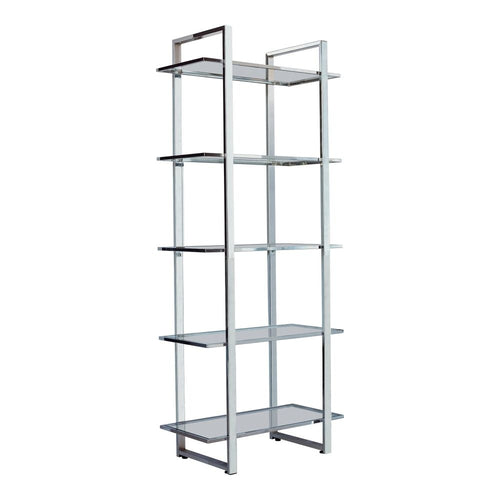 Sale
SaleBookcase | 79" | Tempered Glass Shelves | Metal Frame | Silver
$389.94 $329.50SKU: BM282971
-
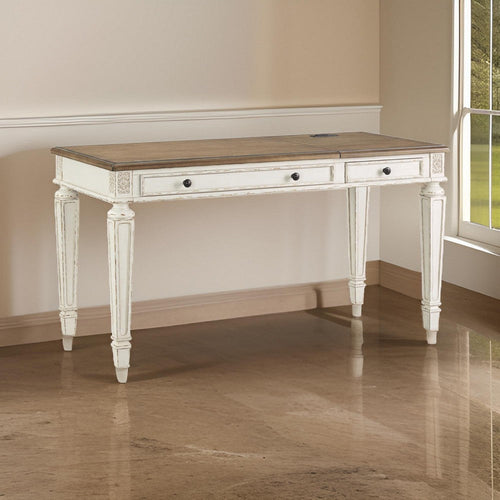
Ashley Wooden Lift Top Desk with Textured Finish and Drawers, Brown and White
$652.00SKU: BM213250


Choosing the right office furniture for your workspace
The right desk, chair, and storage system can transform how you work — whether you're outfitting a corporate suite or a corner of your bedroom.
Workspace & Productivity
A well-designed workspace doesn't happen by accident. It starts with furniture that supports how you actually work — your posture, your files, your screen, your rhythm. Here's what to know before you buy.
The three pillars of a functional office
🖥Desks- Your primary work surface. Sets the tone for everything else.
🪑Chairs- Arguably the most important investment for long-term comfort.
🗄Storage- Keeps your workspace clear and your documents findable.
Office Desks: Your workspace foundation
The desk you choose shapes your entire workflow. Consider what you actually do at your desk before committing to a style or size.
- Computer desks — built-in cable management and keyboard trays keep clutter under control.
- L-shaped & corner desks — ideal for maximizing space and separating tasks across surfaces.
- Standing desks — adjustable height lets you alternate between sitting and standing throughout the day.
- Executive desks — spacious, efficient desk with wireless charging and relatable professional setups suited to leadership or creative roles
- Writing desks — small space desks keep it organized; ideal for clean, minimalist setups that support focused work while taking up minimal space.
Office chairs: Ergonomics and long-term health
If you spend four or more hours a day seated, your chair matters more than almost any other purchase. Poor seating contributes directly to back pain, fatigue, and loss of focus.
- Ergonomic task chairs — adjustable lumbar support, seat height, and breathable mesh back; the standard for prolonged desk work
- Executive chairs — leather or premium fabric, extra cushioning, and a more substantial look for client-facing offices
- Drafting chairs — taller seat height designed for standing desks and elevated workstations
A quality ergonomic chair is one of the few office investments that pays back in health. Don't compromise here to save on price.
Storage: Bookcases, shelves, and filing systems
Cluttered spaces slow you down. The right storage keeps documents, supplies, and equipment accessible without consuming your floor plan.
- Bookcases — versatile units for books, binders, decor, and frequently accessed supplies
- Filing cabinets — secure storage for paper documents and sensitive records
- Ladder shelves — open office shelves, leaning design that adds visual lightness to a room while saving floor spa
Lateral vs Vertical filing cabinets
Lateral cabinets
Wide drawers that open side to side. Better for large offices with horizontal wall space and high document volume.
Vertical cabinets
Tall and narrow, with deep front-to-back drawers. Best for compact spaces where floor area is limited.
Beyond the office: Multi-purpose versatility
Modern office storage furniture earns its keep in more than one room. A solid desk doubles as a gaming or study surface. Filing cabinets can store household items. A well-made task chair fits comfortably in a living room. Buying for flexibility means furniture that grows with your space and your life.
Key takeaway: Start with the chair, then the desk, then storage. Get those three rights and the rest of your home office furniture workspace falls into place naturally.
Q1 — What should I consider when choosing an office desk?
Before you start shopping, take a good look at your space and actually measure it — it's easy to fall in love with a desk online only to find it overwhelms the room. Think about how you actually work day-to-day too. A simple flat desk is fine for most people, but if you're juggling two monitors or like to keep different tasks physically separated, an L-shaped desk can be a game changer. If you spend long hours at your desk, a sit-stand model is genuinely worth the splurge — your back will thank you. And don't overlook storage: a few built-in drawers or a shelf can make a surprising difference in keeping your workspace feeling clear and calm.
Q2 — How do I know if an office chair is ergonomic enough for all-day use?
The real test of an ergonomic chair isn't how it looks — it's how well it fits your body. Your feet should sit flat on the floor with your knees at a comfortable right angle, and the lumbar support should actually meet the curve of your lower back, not just hover near it. Adjustable armrests matter more than most people expect; if your shoulders are creeping up toward your ears, that's a sign something's off. A breathable mesh back is a nice bonus for warmer months. Most importantly, try before you buy if you can — a few minutes in a showroom is nothing like a full workday, but it's still far better than buying blind.
Q3 — What's the best way to organize storage in a small office?
When floor space is tight, start looking up. Wall-mounted shelves are one of the most underused tricks in a small office — they keep things accessible without eating into the room, and they can actually make the ceiling feel higher. Under-desk filing cabinets and mobile pedestals are worth considering too, since they tuck away neatly and can be moved around as needed. The other thing that helps enormously is being honest about what really needs to be within arm's reach. Most of us keep far too much on our desks. If it's not part of an active project, it can probably live somewhere else. Modular storage is a smart long-term investment here — it adapts as your setup evolves, so you're not buying new furniture every time your needs shift.
Q4 — Can office furniture work in both a home and a professional setting?
Absolutely — and more furniture is designed with this in mind than ever before. The key is sticking to finishes and silhouettes that feel at home in both worlds: think white, charcoal, or warm natural wood tones that won't look out of place on a video call but also don't make your living space feel like a corporate breakroom. Clean-lined desks, low bookshelves, and well-upholstered task chairs in fabric or leather tend to strike that balance well. One detail that often gets overlooked: cable management. Visible cords can undermine an otherwise put-together home office faster than almost anything else, so it's worth paying attention to whether a piece has thoughtful built-in solutions for that.